
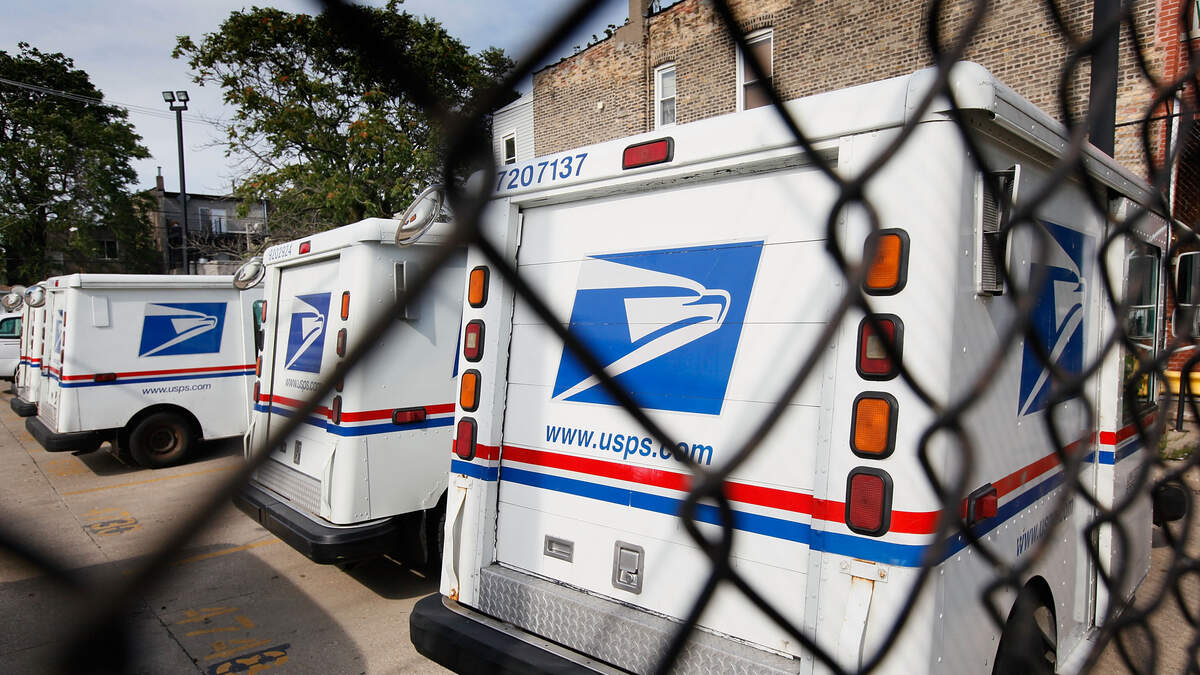

The U.S. Postal Service could run out of money as early as October and may be unable to pay its workers and vendors by February 2027, unless Congress acts quickly to lift borrowing limits and reform outdated regulations, Postmaster General David Steiner warned lawmakers this week.
Steiner said the agency faces a hard deadline rooted in a $15 billion borrowing cap that has been in place since 1990. “How long are employees going to work and vendors going to show up if we’re not paying them?” he told the Associated Press.
The warning came ahead of Steiner’s appearance Tuesday (March 17) before a House Oversight subcommittee, where he laid out the depth of the agency’s cash crisis in stark terms. “I am not sure that the American public is aware that the Postal Service is at a critical juncture,” Steiner said in his written testimony. “At our current run rate, we will be out of cash in less than 12 months.”
Steiner, who took over as postmaster general last July after a career that included serving as CEO of the nation’s largest waste management company and as a board member of FedEx, said the agency has bled money for years. The Postal Service ended fiscal year 2025 with a net loss of $9 billion, and posted its fourth consecutive quarterly loss in its most recent earnings report.
Unlike other federal agencies, the U.S. Postal Service (USPS) does not receive a yearly taxpayer appropriation. It funds itself through stamp sales and service fees, while being required by law to deliver mail six days a week to every address in the country. Mail volume has dropped from about 220 billion pieces at its peak in 2006 to about 110 billion today, as more people pay bills and communicate online.
To keep the lights on, USPS has borrowed from the U.S. Treasury and delayed some pension payments in recent years. But federal law caps its borrowing at $15 billion, a limit unchanged since 1992, and Steiner says that ceiling has now been hit.
Among the fixes Steiner is pushing: raising the debt cap, giving USPS the authority to set postage prices high enough to cover costs, and reforming retiree health and pension obligations. He told the AP that raising the price of a first-class stamp from 78 cents to 95 cents would be enough to “fix” the agency’s fiscal problems, but said the Postal Regulatory Commission has blocked the agency’s preferred pricing model.
David Marroni, a senior official at the Government Accountability Office who also testified at Tuesday’s hearing, told lawmakers he does not believe USPS can solve its problems alone. “I do think that congressional action is going to be needed,” Marroni said.
Lawmakers at the hearing signaled a mix of urgency and caution. GOP Rep. Pete Sessions of Texas, the subcommittee’s chair, said he opposes raising the price of a first-class stamp to a dollar. “The buck stops here now,” Sessions said, adding that he and his colleagues would have to make tough decisions and not “kick the can down the road.”
Democratic Rep. Kweisi Mfume of Maryland said raising the debt limit is likely an unavoidable part of any solution. “Rather than do nothing and watch the Titanic sink, we need to do something,” Mfume said.
Recent Comments