
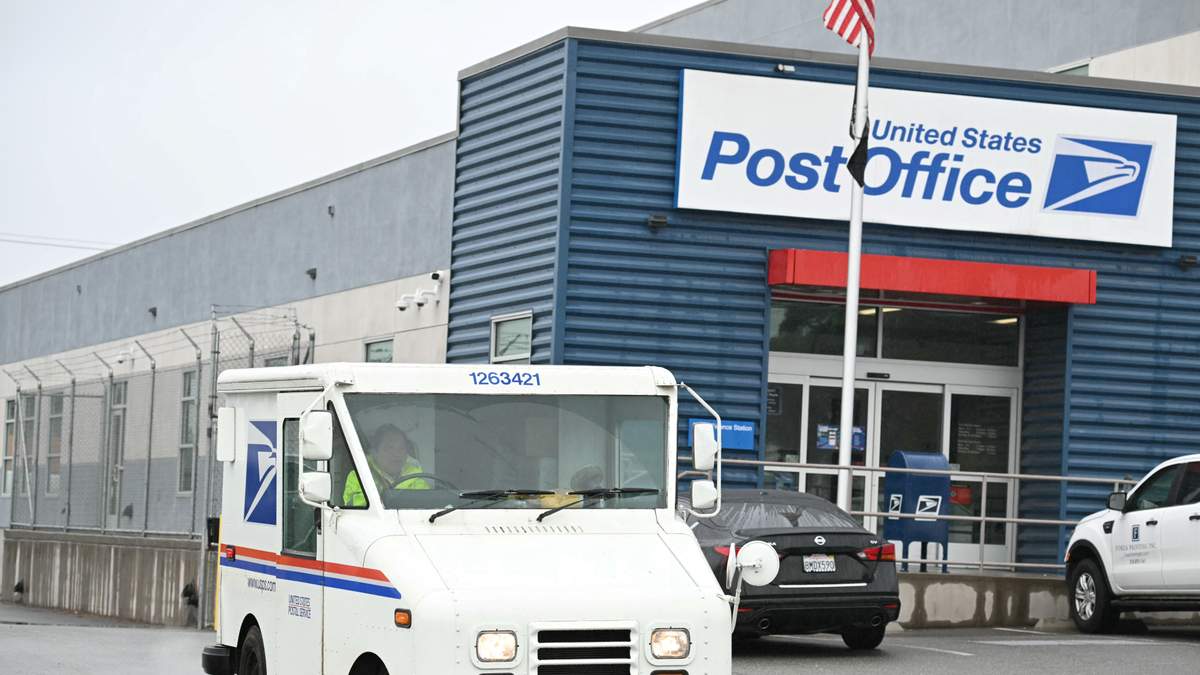

The United States Postal Service (USPS) has announced a $2.5 billion net loss for the fiscal third quarter, as reported on Friday (August 7). Despite an increase in operating revenue by 6.1% to $19.9 billion, the USPS continues to face financial challenges. The loss, while lower than the $3.1 billion loss from the same period last year, highlights ongoing systemic issues within the agency’s business model.
David Steiner, the U.S. Postmaster General, noted that the USPS’s financial struggles are exacerbated by legislation passed by a Senate committee, which could add dozens of new ZIP codes and cost the postal service an estimated $800 million. Steiner also announced plans to seek approval for a new stamp price increase in January, warning that without Congressional intervention, the USPS may have to close thousands of unprofitable post offices and further raise prices.
According to Reuters, the USPS’s financial challenges are rooted in its Congressionally mandated business model, which limits its ability to adapt to changing market conditions. The USPS has been urging Congress to implement legislative and regulatory reforms to ensure long-term financial sustainability. The agency has also requested flexibility from the Postal Regulatory Commission to help address its liquidity crisis.
The USPS reported a controllable loss of $1 billion, which excludes certain expenses beyond management’s control. This is an improvement from last year’s controllable loss of $1.6 billion. PRNewswire highlighted that the USPS saw growth in its USPS Ground Advantage Shipping and Packages subcategory and Marketing Mail category, although these gains were offset by declining volumes in First-Class Mail and Shipping and Packages.
The financial situation remains precarious, with the USPS relying on temporary measures such as a waiver from the Postal Regulatory Commission to defer retirement fund contributions. However, these are not seen as long-term solutions. As Hanson Bridgett reported, the USPS continues to press for a clear definition of its Universal Service Obligation to better align its operations with financial realities.
The USPS’s future depends on legislative action to redefine its service obligations and funding mechanisms, ensuring it can continue to serve the American public effectively.
Recent Comments