
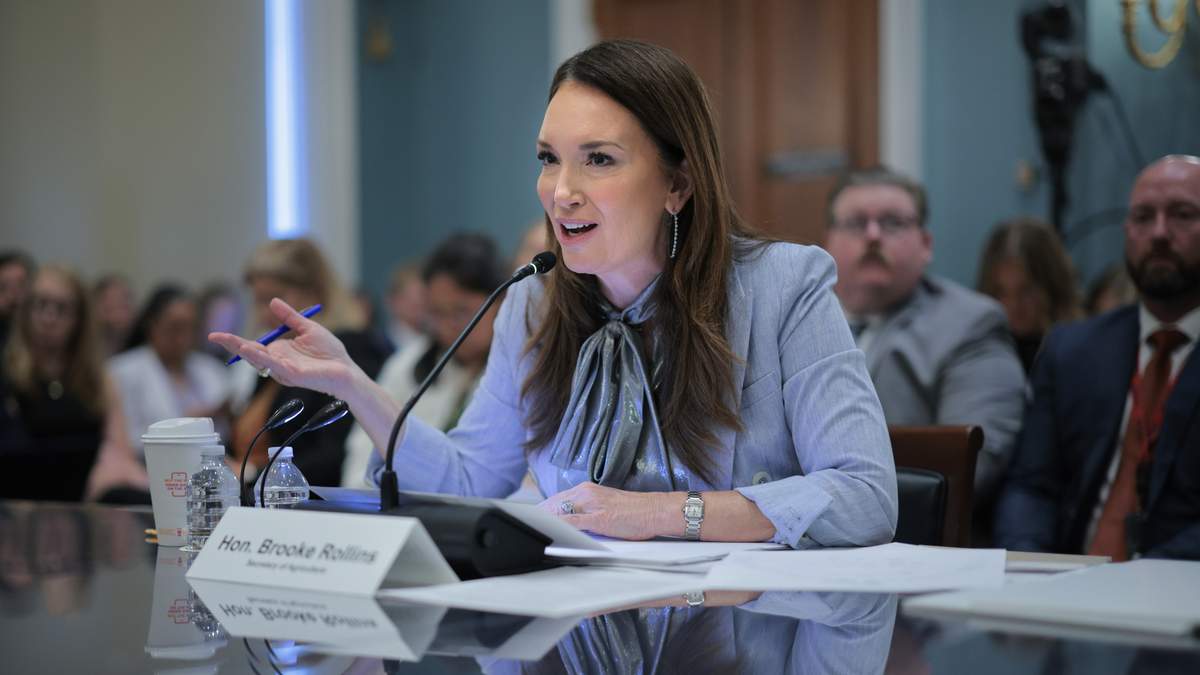

The United States food supply is “not at risk” after new cases of the New World screwworm were confirmed in Texas, according to Brooke Rollins, Secretary of the Department of Agriculture. The screwworm, a parasitic fly whose larvae burrow into the flesh of warm-blooded animals, was recently detected in two calves in Zavala County, Texas—marking the first such cases in the country since the 1960s.
During an interview with CNBC’s ‘Squawk Box,’ Secretary Rollins explained, “This is not a virus, it’s not a disease, it’s just a little pest, a larva that lands in a calf’s wound, for example, and it can be treated.” She emphasized that the food supply remains safe and that the threat to human health is extremely low, though the parasite poses a serious risk to livestock, wildlife, and pets. According to CNN, human cases are rare, and the most recent U.S. infection was travel-related, resulting in a full recovery.
Federal and state officials have responded quickly. The Department of Agriculture, working alongside the Texas Animal Health Commission, has created a 12.5-mile infested zone around the detection area, set up quarantines, implemented movement controls, and increased surveillance. Teams are also releasing both ground-based and aerial sterile screwworm flies to suppress the pest’s population—a method that was successful in eradicating screwworm in the United States decades ago. As reported by ABC News, the US is currently releasing over 100 million sterile flies per week in the U.S. and Mexico.
The Department of Agriculture has also stationed detection dogs at the US-Mexico border and restricted imports of live animals through southern ports of entry to prevent further spread. Construction is underway on a $750 million facility in Texas to produce hundreds of millions of sterile flies weekly, which is expected to open next year (USDA).
Secretary Rollins highlighted the importance of following animal treatment protocols and movement restrictions, stating, “If we all work together and follow the animal treatment protocols and movement restriction guidance, there is no reason to believe that this incursion will result in an establishment of the pest in our country.” The threat to the U.S. food supply is considered low, but officials are urging vigilance, especially among people and veterinarians who work with livestock and pets.
The current response draws from past eradication efforts and will continue until the outbreak is contained. For now, the Department of Agriculture is confident in its ability to protect the nation’s livestock and food supply while minimizing risk to people and pets.
Recent Comments