
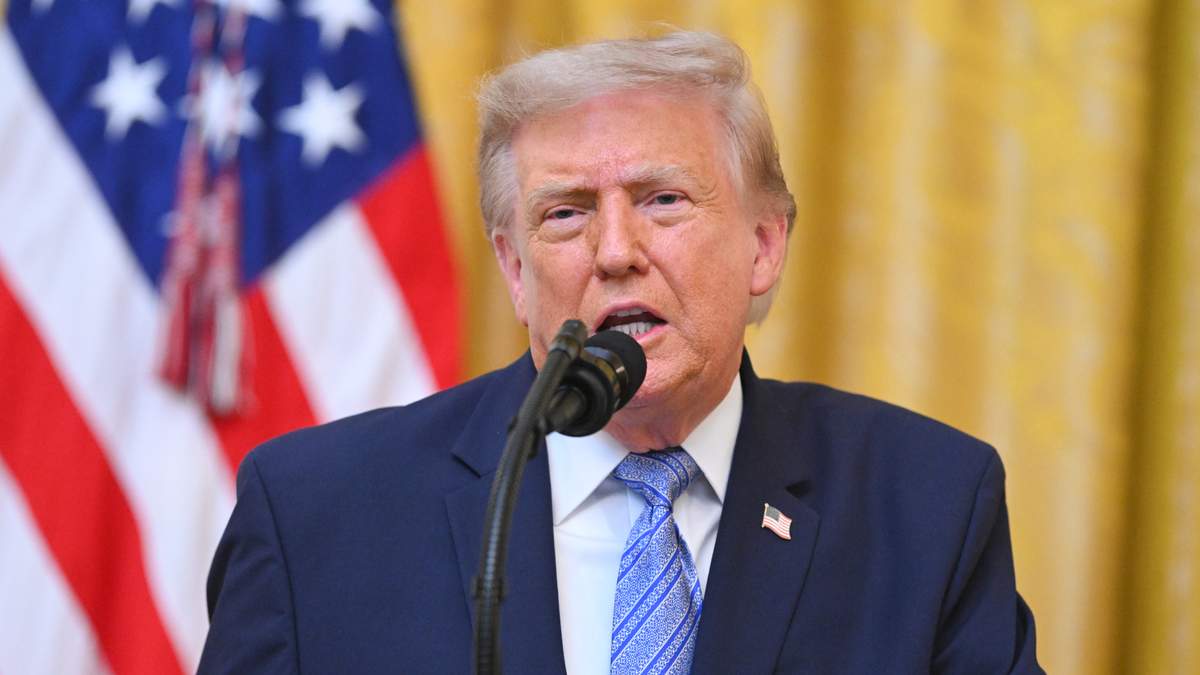

President Donald Trump announced plans to impose a 100 percent tariff on imported generic drugs starting in August 2028. The president made this announcement via a post on Truth Social, stating that the move aims to “reshore Generic Pharmaceutical Production into America.” Initially, generic drugs will maintain a zero percent tariff, but this will increase to 100 percent for one year and then to 200 percent thereafter.
The proposed tariffs could significantly impact the generic drug industry, which relies heavily on production facilities in Europe and India. These tariffs are part of Trump’s broader strategy to reduce the U.S.’s reliance on imported medicines. However, it remains unclear how this plan aligns with the administration’s goal of lowering drug prices, given the lower manufacturing costs abroad.
According to a report by Bloomberg, the tariffs could disrupt the supply chain for generic medicines, which account for over 90 percent of U.S. prescriptions. Critics argue that the tariffs could lead to increased drug prices and reduced access to affordable medications.
Richard Saynor, CEO of Sandoz Group AG, warned that the tariffs could make drugs more expensive and limit access for patients. Sandoz, along with other generic drug manufacturers, is concerned about the implications of the tariffs. The Association for Accessible Medicines, representing U.S. generic drugmakers, is awaiting further details on the policy.
The tariffs could also affect international trade, particularly with India, the largest exporter of generic medicines to the U.S. The Center for the Business of Health at UNC Kenan-Flagler Business School highlights the potential for increased costs and supply chain disruptions.
As the 2026 midterm elections approach, Trump has focused on drug costs as a key issue. However, the timeline for implementing these tariffs raises questions about their feasibility and potential impact on the U.S. pharmaceutical market.
Recent Comments