
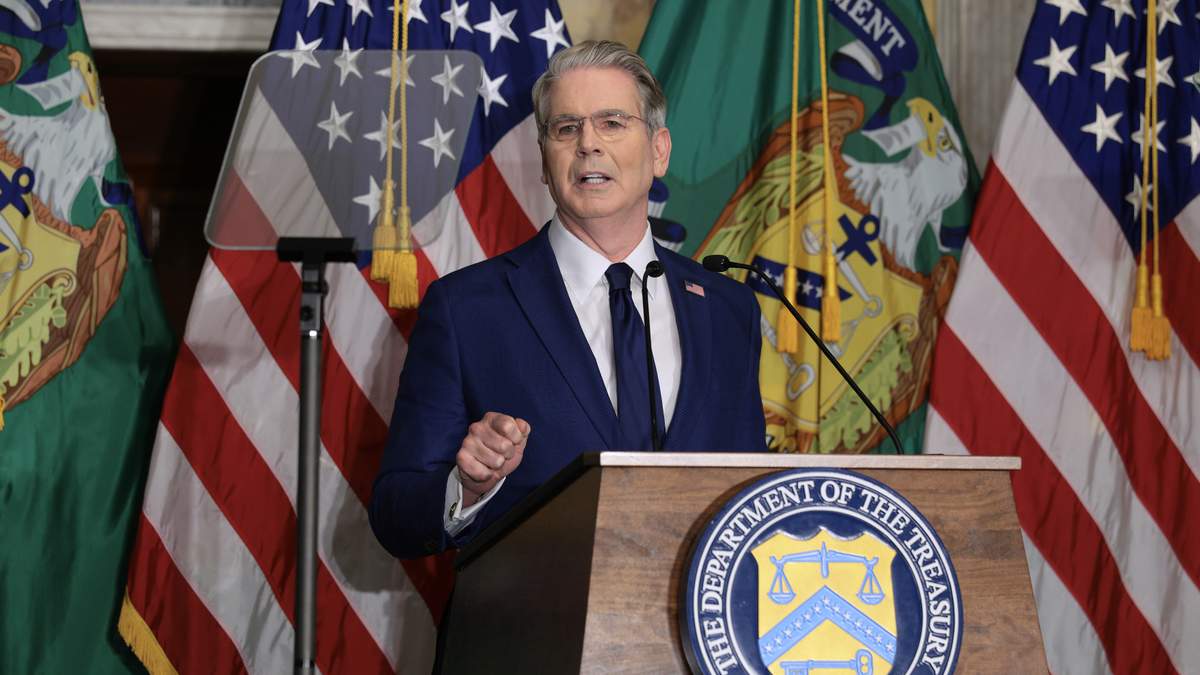

The United States has announced a new wave of economic sanctions against Iran, described by the White House as an “economic D-Day.” Speaking from the Treasury Department on Monday (August 24), Treasury Secretary Scott Bessent outlined the details of operation “Economic Outcast,” which aims to further isolate Iran from the global economy. The sanctions will cut off Iran from exporting oil and other trade, offering Iran a choice between continued isolation or a path back to normalcy.
According to CNBC, the U.S. plans to create “the greatest coordinated economic isolation in the history of the world” against Iran. Vice President JD Vance emphasized that economic pressure is the most effective tool against Iran, while President Donald Trump warned of severe financial penalties for any nation aiding Tehran in evading these sanctions.
The new sanctions come amid ongoing tensions between the U.S. and Iran, following a conflict that began in February. The BBC reports that Iran has largely closed the Strait of Hormuz, a vital waterway for global oil transit, leading to fluctuations in oil prices. Despite previous ceasefires and negotiations, talks have stalled, prompting the U.S. to pursue this economic strategy instead of further military action.
Iranian officials, including Foreign Ministry spokesman Esmaeil Baqaei, have criticized the sanctions as unlawful economic warfare. However, the U.S. remains firm in its stance, urging allies to support the sanctions. The economic measures are expected to have significant impacts on Iran, a country already struggling under decades of international sanctions.
Despite the pressure, some analysts, like Helima Croft from RBC Capital Markets, question the effectiveness of additional sanctions, noting that Iran has historically managed to withstand such economic pressures. As the situation unfolds, the international community watches closely to see how Iran will respond to this intensified economic isolation.
Recent Comments