

California is resisting a federal audit of its voter rolls as the Trump administration intensifies its criticism of local elections.
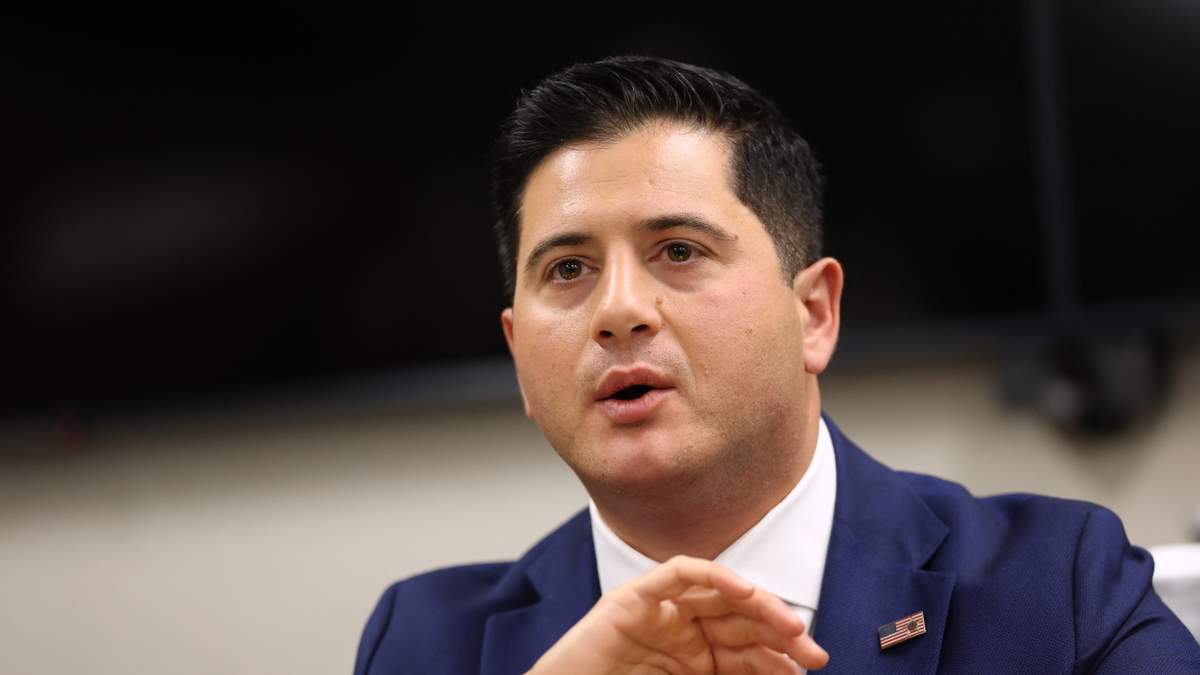
On Sunday, Bill Essayli, Los Angeles’ top federal prosecutor, announced his office’s intention to scrutinize the state’s electoral system, citing concerns over a sudden surge in late votes favoring Democratic candidates. Essayli expressed skepticism about California’s voter registration process, highlighting the use of unconventional identification forms such as health club memberships and credit cards for first-time voters. He emphasized the need for a closer examination of these policies to ensure voter trust.
The federal government has been seeking access to California’s statewide voter registration list for over a year as part of a review of the state’s compliance with federal election laws. The Justice Department, led by Harmeet Dhillon, argues that federal law grants it the authority to obtain election records and conduct an independent review of voter registration systems. The dispute is now before the Ninth Circuit Court of Appeals.
California’s election system, which allows universal vote-by-mail and ballot harvesting, has faced criticism for potential vulnerabilities. Essayli raised concerns about the state’s ability to remove deceased voters, individuals who have moved, and those with disqualifying felonies from its voter rolls. He also questioned the state’s practice of allowing third parties to collect and submit ballots on behalf of voters.
Despite these concerns, California officials defend the integrity of their election process. Los Angeles County Registrar-Recorder/County Clerk Dean Logan rejected allegations of fraud, stating that the state’s lengthy vote-counting process is designed to ensure accuracy. Logan explained that voting patterns and registration demographics largely account for the shift in results as mail-in and provisional ballots are counted.
The controversy comes amid ongoing ballot counting from the June 2 primary, with several closely watched races still in flux. Critics argue that the slow counting process raises suspicions of fraud, but Logan and others maintain that the changes in results reflect the order in which ballots are received and counted.
Recent Comments