
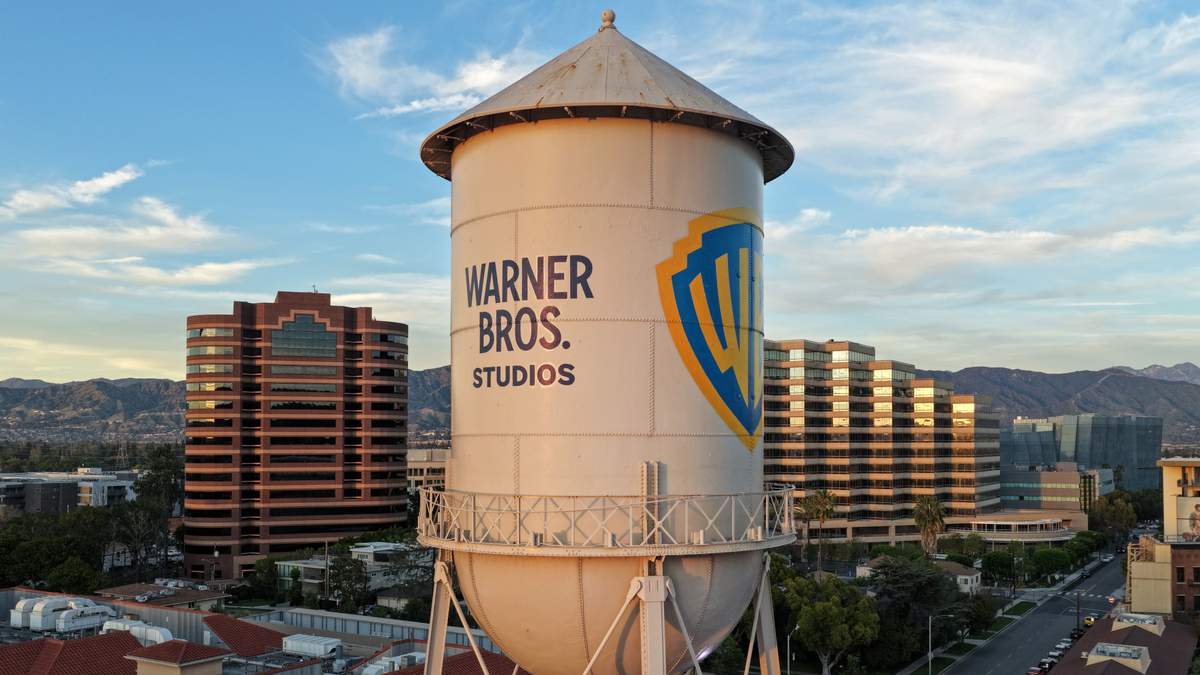

LOS ANGELES (CNS) – California and 11 other states filed a lawsuit Monday in an effort to block the pending takeover of Warner Bros. Discovery by Paramount Skydance, claiming the merger would led to higher prices for consumers and a reduction in entertainment content — allegations Paramount vehemently denied.
The lawsuit, filed in federal court in Northern California, contends the $110 billion merger — considered one of the biggest media deals in history — would put one company in charge of nearly one-third of all theatrical motion picture and basic cable programming.
“The unlawful merger of these two entertainment behemoths would lead to higher prices, lower quality, and less content for film and television, harming movie theaters, basic cable distributors, and ultimately, audiences on every sofa and movie theater seat in the U.S.,” California Attorney General Rob Bonta said in a statement. “California’s film and entertainment industry touches the lives of Americans daily — it comes into the living rooms of families, has a starring role in many young people’s first dates, and is a point of immense pride and employment for Californians up and down our state.
“Consolidation here not only leads to higher prices — it also leads to fewer opportunities for important stories to come to life, and fewer ways for audiences to encounter stories, ideas, and perspectives beyond their own experiences. In this country, no one is above the law. With this lawsuit, California and our sister states are fighting for free and fair markets, not rigged markets. America has no kings in government or our economy.”
Other states joining the lawsuit were Arizona, Colorado, Connecticut, Massachusetts, Minnesota, Nevada, New Jersey, New Mexico, New York, Oregon, and Washington.
Paramount Skydance issued a statement Monday saying the lawsuit “reflects a fundamentally flawed application of the antitrust laws and is wrong on both the facts and the law.”
“We will vigorously defend the transaction and demonstrate that this challenge is inconsistent with sound competition policy and the competitive realities of the media marketplace,” according to the company. “Delaying this transaction will only harm entertainment workers who have already suffered over recent years as technology has disrupted their livelihood and cost California tens of thousands of entertainment jobs.
“The combination of Paramount and WBD will create a stronger, well- capitalized, creative-first media company that is better positioned to compete with companies like Netflix that have come to dominate the industry for audiences, premium content, and creative talent. Put simply, any attempt to block this transaction undermines the very principles antitrust law is designed to promote: more competition, more choice for consumers, and more opportunities for creators and workers.”
The company contended the lawsuit is an effort “to shield those dominant streaming platforms like Netflix and technology companies from much- needed competition.”
The U.S. Justice Department in June approved the merger, insisting in a statement at the time that “the transaction is not likely to result in harm to competition or American consumers, including with respect to: (1) streaming video on demand (“SVOD”); (2) linear television; and (3) studio development, production, or distribution of films for theatrical release.
The estimated $110 billion transaction would combine Paramount Pictures and Warner Bros., studios whose histories span more than a century. The combined company would also include the Paramount+ and HBO Max streaming services, the CBS broadcast network and cable channels including CNN.
David Ellison, CEO of Paramount Skydance, has previously said the merger would honor the legacy of both companies while creating a next- generation media and entertainment business. Ellison is the son of billionaire Oracle co-founder Larry Ellison.
If the deal closes, David Ellison would control CBS News and CNN, Paramount Pictures and Warner Bros., and subscription streaming services Paramount+ and HBO Max.
The deal has faced opposition from some entertainment industry professionals and elected officials who argue it would further consolidate ownership in the media industry.
More than 1,000 entertainment professionals signed an open letter in April opposing the merger, contending it would reduce competition at a time when the industry is already highly concentrated.
The lawsuit seeks to freeze the deal while the action moves through the court. Paramount has agreed to pay Warner Bros. shareholders $650 million for each quarter the deal doesn’t close, starting in October.
Plaintiffs argue that the proposed merger would violate the Clayton Act, a 1914 statute outlawing mergers that lessen competition or lead to monopolies. Potential harm to competition in the theatrical movie and TV businesses is detailed in the suit.
Over the weekend, Rep. Darrell Issa, R-Bonsall, sent a letter to Gov. Gavin Newson and Bonta, urging caution against “weaponizing antitrust law” as the state prepared to file suit.
“For at least a decade, film and television production has fled the state once synonymous with the motion picture, television, and digital industries,” Issa wrote. “The result has been the loss of tens of thousands of California jobs and the wholesale relocation of studios, facilities, and related businesses that built our entertainment economy.”
Issa said the regulatory authorities of more than two dozen nations around the world “have formed a global consensus that this merger is pro- competition. The backers of the merger have publicly pledged significant new investment in production, including a commitment to annually release 30 or more films per year and prioritize domestic production for both film and television.”
According to Issa, the lawsuit “would validate the spreading concern among successful California-based companies that the state government has become so hostile to businesses, innovators, and entrepreneurs that they should relocate out of state entirely.”
Recent Comments