
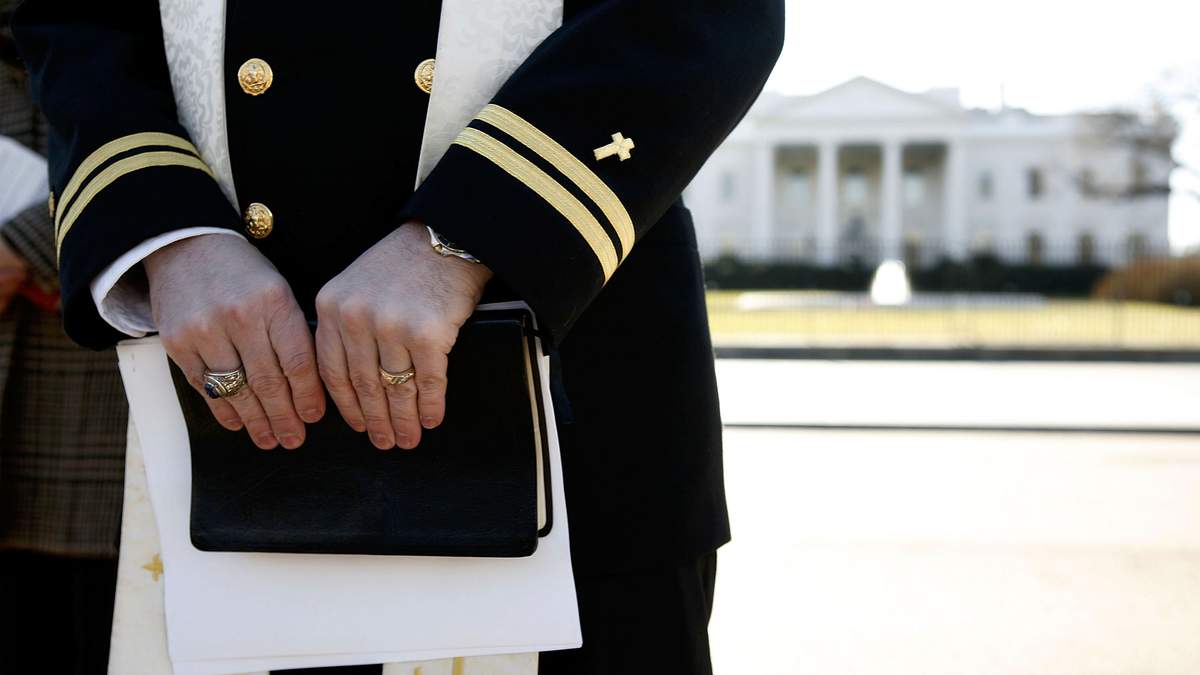

The Pentagon has officially reduced the number of recognized religions for U.S. military personnel from more than 200 to just 31, a move announced in a memo from Undersecretary of Defense Anthony Tata and directed by Secretary of War Pete Hegseth. The change, made public on Thursday (June 4), represents the first major revision to the military’s list of faith codes in nearly a decade.
The Department of War explained that the decision aims to “streamline the DoW collection of religious preferences for service members to enhance the delivery of targeted religious support from the Chaplaincy.” Under the new system, chaplains will focus support on a smaller set of faith traditions, including Agnostics, Buddhists, Hindus, Islam, Judaism, Sikh, and several Christian denominations such as Baptists, Catholics, Lutherans, and Methodists. The previous list included many more minority and alternative belief systems, such as Atheists, Druids, Pagans, Humanists, and Wiccans.
According to the Pentagon, the old system had become “impractical and unusable,” with many codes rarely or never used. Secretary Hegseth said in March that “the vast majority of military members fit under just six of the faith codes” and that the new structure would make it easier for chaplains to meet the needs of most service members. He also introduced a change requiring chaplains to display religious insignia instead of rank on their uniforms, emphasizing their spiritual role over their officer status, as reported by Fox News.
Critics, including some former and current military chaplains, have raised concerns about the impact on service members who do not identify with the remaining recognized faiths. One former Army chaplain told Military.com that the revision makes it harder for some service members to access appropriate spiritual care and called it “a tragedy and travesty.” The Military Religious Freedom Foundation described the update as a threat to religious freedom and compared it unfavorably to the Department of Veterans Affairs, which recognizes more than 220 belief systems.
Recent Comments