
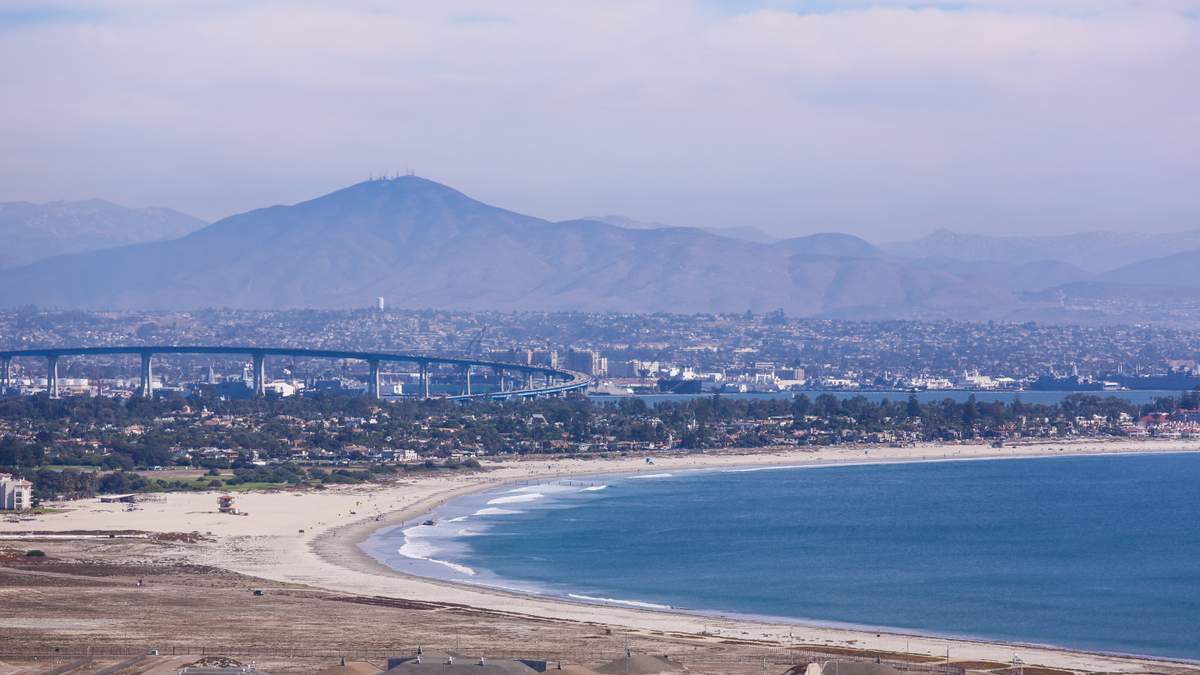

Coronado, one of California’s most prestigious beach towns, is grappling with a severe sewage problem.
As much as 30 million gallons of sewage-tainted water from the Tijuana River flows into the Pacific Ocean daily, affecting the coastline and prompting health warnings. County officials have advised beachgoers to avoid water contact due to potential health risks.
The contamination originates from untreated wastewater in Mexico, which ocean currents carry north along the Southern California coast. The pollution has led to repeated beach closures, impacting tourism and even disrupting Navy SEAL training at the Naval Amphibious Base Coronado. Health experts warn that exposure to the contaminated water can cause gastrointestinal illnesses and respiratory issues due to airborne toxins like hydrogen sulfide.
The crisis has drawn federal attention, with President Donald Trump urging Mexico to address the issue. In July 2025, the United States and Mexico signed an agreement to tackle the problem, with Mexico committing $93 million to infrastructure projects. The U.S. Environmental Protection Agency (EPA) Administrator Lee Zeldin stated that these projects aim to resolve the crisis by 2028.
Local residents have expressed frustration over the persistent sewage odors and health risks. Despite significant funding and international cooperation, the sewage issue continues to pose a threat to public health and the environment in Southern California.
Recent Comments