
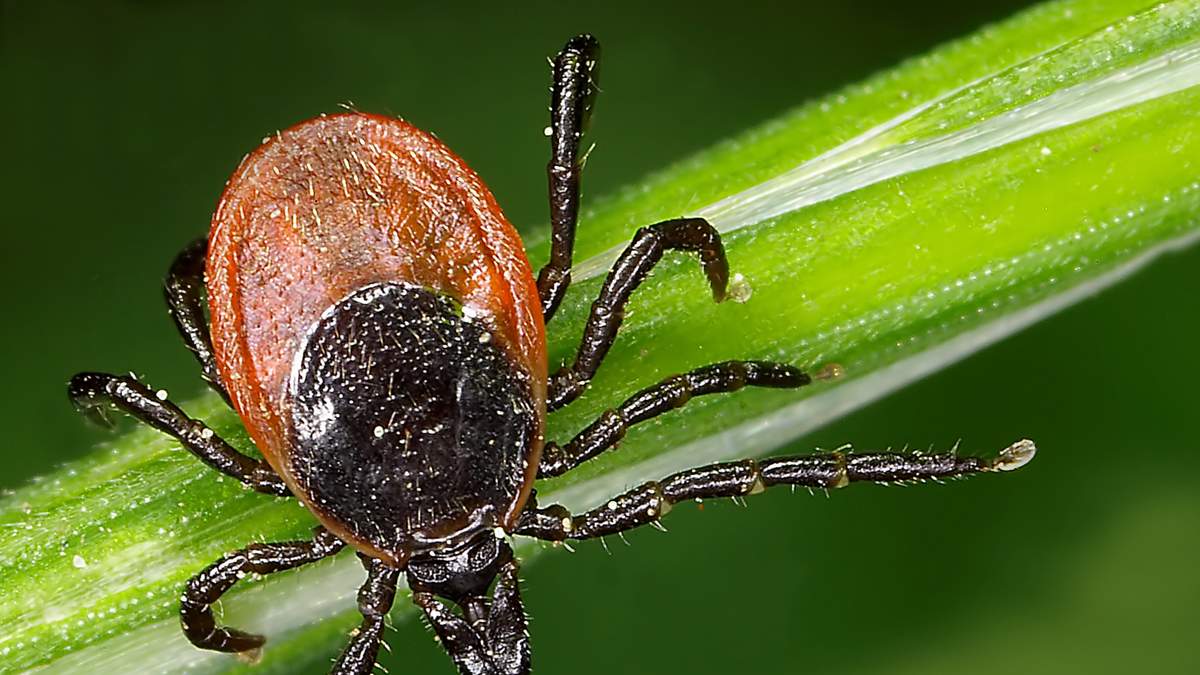

The Centers for Disease Control and Prevention (CDC) is warning the public that tick season has started earlier than usual in 2026, with emergency room visits for tick bites already reaching their highest levels for this time of year since 2017. According to the CDC, about 31 million people in the United States are bitten by ticks each year, and experts are urging everyone to take extra precautions outdoors as tick activity surges nationwide.
The CDC’s Lyme disease expert, Alison Hinckley, said, “Tick season is here and these tiny biters can make you seriously sick. The good news is you have options to help prevent tick bites when you spend time outdoors: You can wear EPA-registered insect repellent and permethrin-treated clothing, do tick checks, and remove attached ticks as quickly as possible. These simple steps can go a long way in protecting you and your family from diseases spread by ticks. And if you develop a rash or fever in the days to weeks after a bite, or after being in an area with ticks, seek medical care promptly.”
Ticks can carry several dangerous illnesses, including Lyme disease, which is the most common tick-borne disease in the United States. The CDC estimates about 476,000 people are treated for Lyme disease every year. Other illnesses spread by ticks include Rocky Mountain spotted fever, alpha-gal syndrome, anaplasmosis, babesiosis, and Powassan virus disease. In some regions such as Connecticut, local surveillance found high rates of Lyme disease-causing bacteria in blacklegged ticks, with 55% of adult ticks and 25% of nymphs testing positive for the pathogen. The risk is highest from May through July when nymph ticks, which are as small as poppy seeds, are most active and easy to miss.
Experts recommend several prevention steps when spending time in grassy, brushy, or wooded areas: wearing long pants and sleeves, using EPA-registered insect repellents, treating clothing with permethrin, checking yourself, children, and pets for ticks after outdoor activities, and removing ticks as soon as possible.
Prompt removal within 24 hours significantly lowers the risk of Lyme disease transmission.
If you experience symptoms like rash, fever, headache, fatigue, or joint pain in the days or weeks after a tick bite, medical experts urge you to seek medical attention and let your provider know about the bite and where you were exposed. For more information and prevention tips, visit the CDC’s official tick prevention guide.
The CDC’s early advisory comes just before Lyme Disease Awareness Month in May, as health officials continue to monitor tick activity and encourage the public to stay vigilant throughout the spring and summer.
Recent Comments