
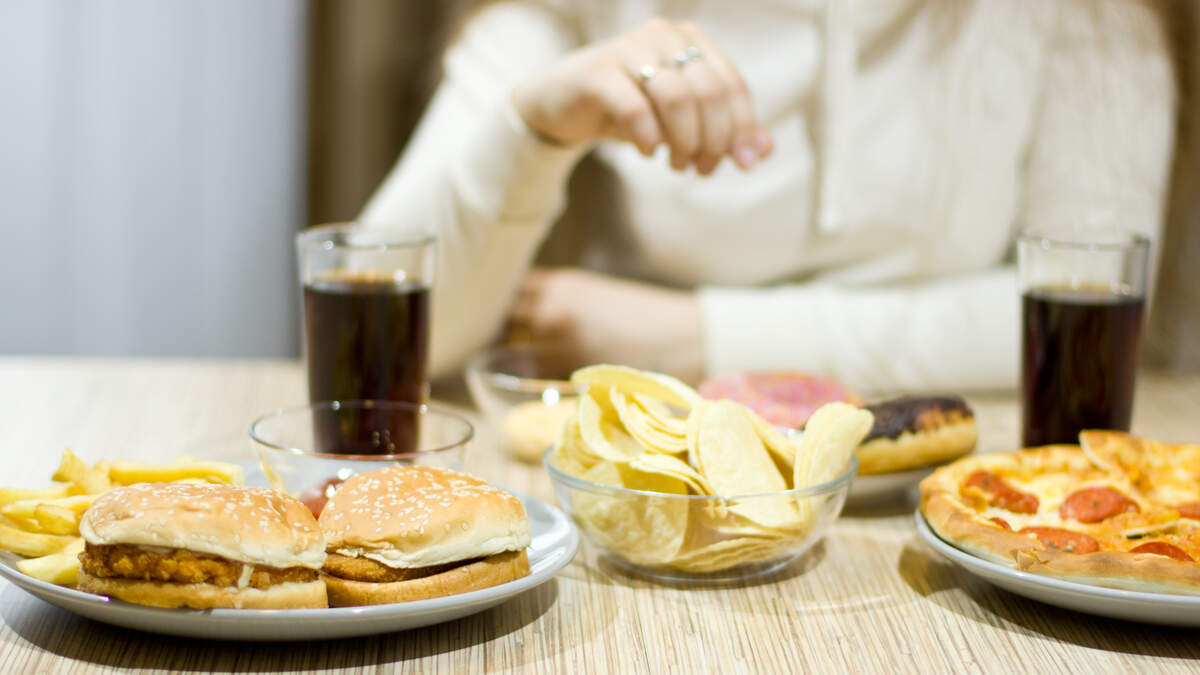

A recent study published Tuesday (April 14) in the journal Radiology finds that eating large amounts of ultra-processed foods, like salty snacks, sugary drinks, and fast food, may increase fat within thigh muscles and harm muscle health. The research focused on over 600 adults, mostly in their late fifties, who were already at risk for knee osteoarthritis due to factors like overweight, obesity, or prior knee injuries.
The scientists analyzed participants’ diets, body mass index, and MRI scans of their thighs. The results showed that people who ate more ultra-processed foods had higher levels of fat streaked throughout their thigh muscles, regardless of their weight or amount of exercise. The main author, Dr. Thomas Link of the University of California San Francisco, explained that this type of fat can change how muscles work and may weaken joint stability, making the knees more vulnerable to problems like arthritis.
The link between ultra-processed food and muscle fat held true even after accounting for total calories and dietary fat. In fact, women in the study tended to have more muscle fat than men, but the connection between ultra-processed foods and muscle fat was similar for both sexes.
Dr. Zehra Akkaya, one of the study authors, said, “Diet quality plays an important role in muscle health. Specifically, independent of total calorie intake or overall fat consumption, a higher intake of ultra-processed foods was associated with greater fat accumulation within the thigh muscles, as seen on MRI scans.”
This research is notable because while the dangers of ultra-processed foods for heart health and diabetes are already well-known, their effect on muscle health has not received as much attention.
Medical experts agree that reducing ultra-processed foods and favoring minimally processed, nutrient-rich options may help protect muscle health and lower the risk of conditions like knee osteoarthritis. Further research is planned to study these effects in more diverse groups and to explore whether muscle fat build-up can be reversed through diet and exercise.
Recent Comments