
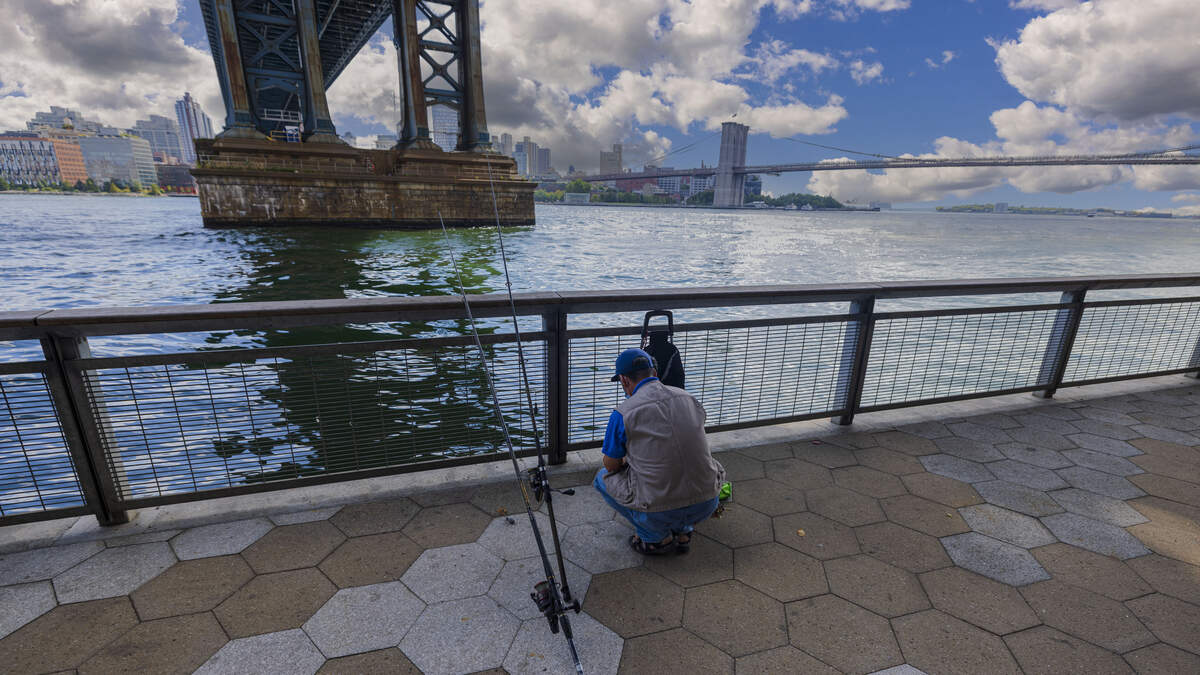

For the first time in five decades, New Yorkers are being told they can safely eat some fish caught from the Lower Hudson River, according to new guidance from the New York State Department of Health. The updated advisory, announced last week, covers the stretch from the Rip Van Winkle Bridge in Catskill to the southern tip of Manhattan. Health officials say this change comes after testing showed that toxic chemical levels, specifically polychlorinated biphenyls (PCBs), are lower in certain fish species than in previous years.
The new rules mean the general public can now eat up to four meals per month of some fish from this part of the Hudson, mainly striped bass, brown bullhead, and perch. Sensitive groups, like children under 15 and people who can become pregnant, are advised to limit themselves to one eight-ounce serving per month of these species. However, health experts warn that other types, such as carp and smallmouth bass, are still not safe to eat due to higher contamination levels. The state recommends not eating these varieties at all.
Audrey Van Genechten, a top fish expert at the Department of Health, explained, “PCB levels in some of the fish had gone down enough that we are now able to allow families—even younger women and children—to eat some of the fish.” She also suggested that removing the skin and fat from fish before cooking can reduce PCB exposure by about half, making meals even safer. More guidance on safe fish preparation is available on the official health department website.
The change follows decades of environmental cleanup and monitoring, sparked by widespread PCB pollution from General Electric factories that dumped large amounts of chemicals into the river between 1947 and 1977. The Hudson River has been a federal Superfund site since 1984, and clean-up efforts are ongoing.
State Health Commissioner Dr. James McDonald added that the latest advice is based on highly protective guidelines and regular testing of more than 1,000 fish samples each year. The Department of Environmental Conservation’s Amanda Lefton emphasized the need to keep the public informed about potential health risks from contaminants, saying, “DEC prioritizes cleaning up contaminants and restoring water quality to support fish consumption.”
For now, advisories remain unchanged for other parts of the river, especially north of the Rip Van Winkle Bridge, where contamination remains higher. Officials encourage anglers to visit the state’s online resource for up-to-date information on safe fish consumption.
Looking ahead, the state will continue to monitor the river and adjust advisories as environmental conditions improve. Cleanup efforts will also persist in hopes of eventually expanding safe fish consumption to more stretches of the Hudson River.
Recent Comments