
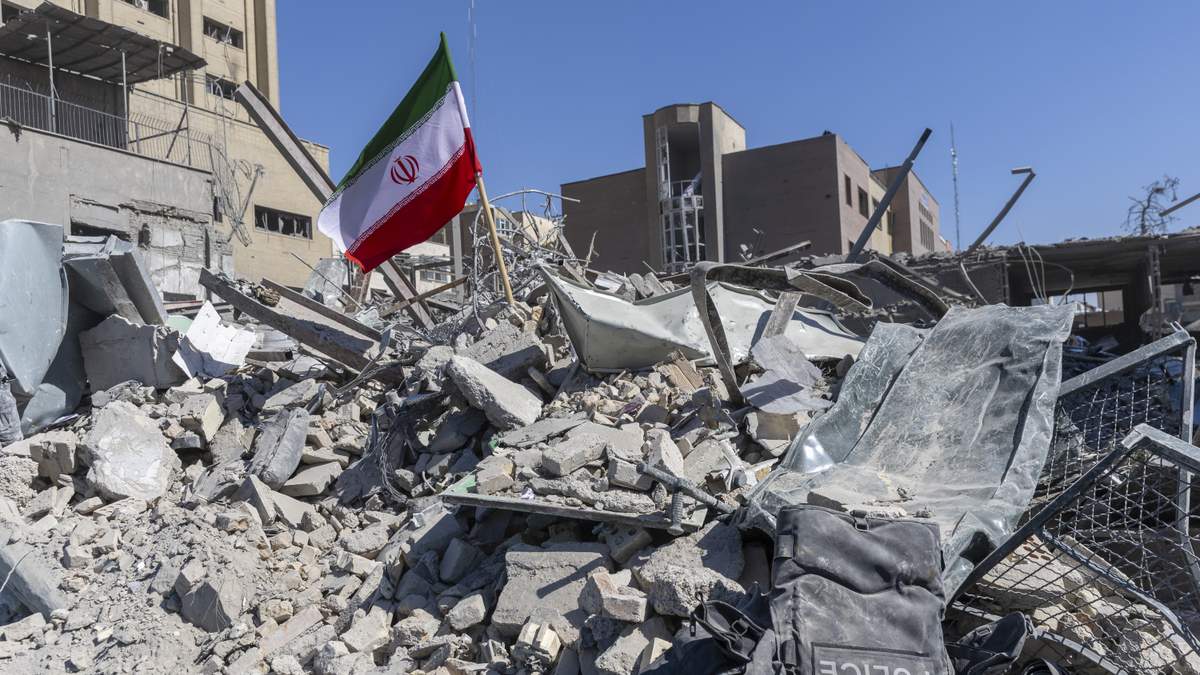

The United States and Iran have agreed in principle to a deal aimed at winding down the ongoing conflict, according to a senior U.S. official cited by the New York Times. While the framework for an agreement is reportedly in place, some of the most sensitive issues remain unresolved.
President Donald Trump said earlier today that negotiations with Iran are “proceeding in an orderly and constructive manner.” The president of Iran also announced that his country is prepared to assure the world it is not seeking nuclear weapons. Talks between the two nations are being mediated by Pakistan, with primary issues including Iran’s nuclear and ballistic missile programs, U.S. sanctions, the reopening of the Strait of Hormuz, and long-term security guarantees.
The conflict escalated after the United States and Israel launched strikes against Iran on Friday (February 28), targeting its nuclear infrastructure and resulting in significant damage. Iran responded with missile attacks on U.S. bases, Israel, and Arab states, and closed the Strait of Hormuz, a key global shipping route. Pakistan arranged a conditional ceasefire in April, which has since been extended to allow negotiations to continue.
Both sides are negotiating strict limits on Iran’s nuclear enrichment activities. The U.S. is calling for a complete halt to enrichment, while Iran insists on retaining some capabilities for civilian use. There is also debate over the duration of any restrictions, with reports that the U.S. wants a 20-year commitment and Iran countering with five years. According to BBC News, Iran’s latest proposal includes a pledge never to build nuclear weapons, but the two sides remain apart on how to enforce and verify this.
Other sticking points include Iran’s ballistic missile program and support for armed groups in the region. The U.S. has demanded that Iran stop funding proxy groups such as Hezbollah and Hamas, while Iran has pushed for the lifting of all sanctions and compensation for wartime damages, which it estimates at $270 billion. Gulf states, especially the United Arab Emirates and Saudi Arabia, have called for more comprehensive guarantees, including reparations and curbs on Iran’s regional activities.
The talks have led to a reduction in hostilities, but both U.S. and Iranian officials caution that a final agreement is not yet secured. President Trump has stated that U.S. military forces will remain in the region until a “real agreement” is reached and implemented. According to Financial Times, the economic and human cost of the conflict has been severe, with sanctions and the closure of the Strait of Hormuz further straining Iran’s economy.
As negotiations continue, international mediators and regional actors are watching closely for signs of a lasting peace deal, which remains dependent on resolving the key outstanding issues.
Recent Comments