
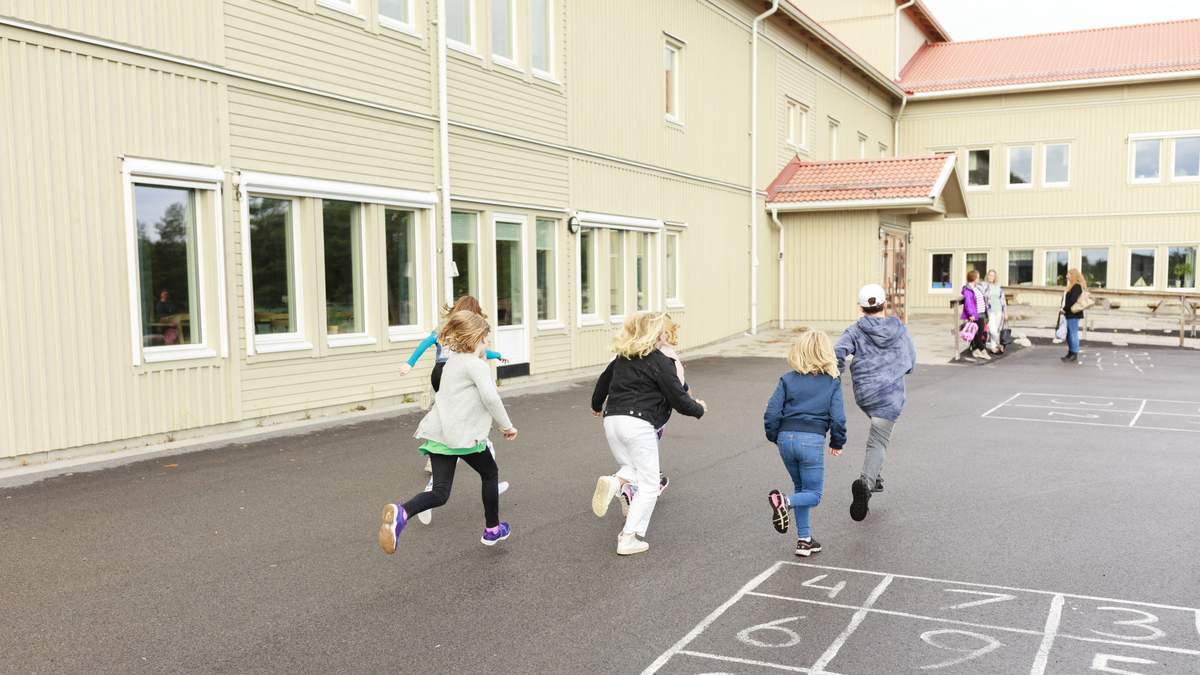

Pediatricians across the United States are calling for schools to protect and prioritize daily recess, highlighting its critical role in supporting children’s health, learning, and behavior. The American Academy of Pediatrics (AAP) released updated guidance on Monday (May 11), marking its first major policy update on recess in over a decade. The new statement comes amid ongoing concerns over shrinking recess time in schools and worsening health outcomes among children.
According to the AAP policy statement, recess is far more than just a break from academics—research shows it delivers powerful benefits for students’ physical, social, emotional, and cognitive development. The group warns that cutting back on this unstructured time could harm children’s ability to focus, manage stress, and learn effectively.
Dr. Robert Murray, a lead author of the policy, emphasized, “It has a very powerful benefit if it’s used to the fullest.” He explained that children need pauses between lessons so their brains can process and store new information. Recess also gives students a chance to build social skills, navigate peer relationships, and gain confidence, which is important for kids of all ages—not just the youngest students.
The AAP guidance comes after years of declining recess time in American schools. Since the mid-2000s, up to 40% of school districts have reduced or eliminated recess, according to data from Springboard to Active Schools and the Centers for Disease Control and Prevention. Today, recess durations vary widely, from less than 10 minutes to over an hour, but older students generally receive less time than younger ones. The AAP recommends that all students, from kindergarten through high school, have at least 20 minutes of recess each day and, ideally, multiple breaks.
The pediatricians’ group stresses that recess should not be withheld for academic or disciplinary reasons, a practice that sometimes targets the very students who benefit most from the break. Dr. Lauren Fiechtner, a childhood obesity expert at Mass General Brigham for Children, said, “As kids get older, they’re more on their screens. So it’s really helpful, I think, for outdoor activity and recess to be happening. Recess is great. We all kind of need recess,” as noted in Newsday.
The AAP policies also recommend that schools plan for quality recess by considering factors like supervision, safety, inclusivity, and having a variety of activities available. Outdoor and natural spaces are especially encouraged for their positive impact on mental and physical health.
The AAP urges school leaders, parents, and lawmakers to support state laws that protect equal access to daily recess, especially for students in under-resourced communities. The group also encourages pediatricians to ask children about their recess experiences and advocate for resources to support safe and effective play spaces.
Recent Comments