
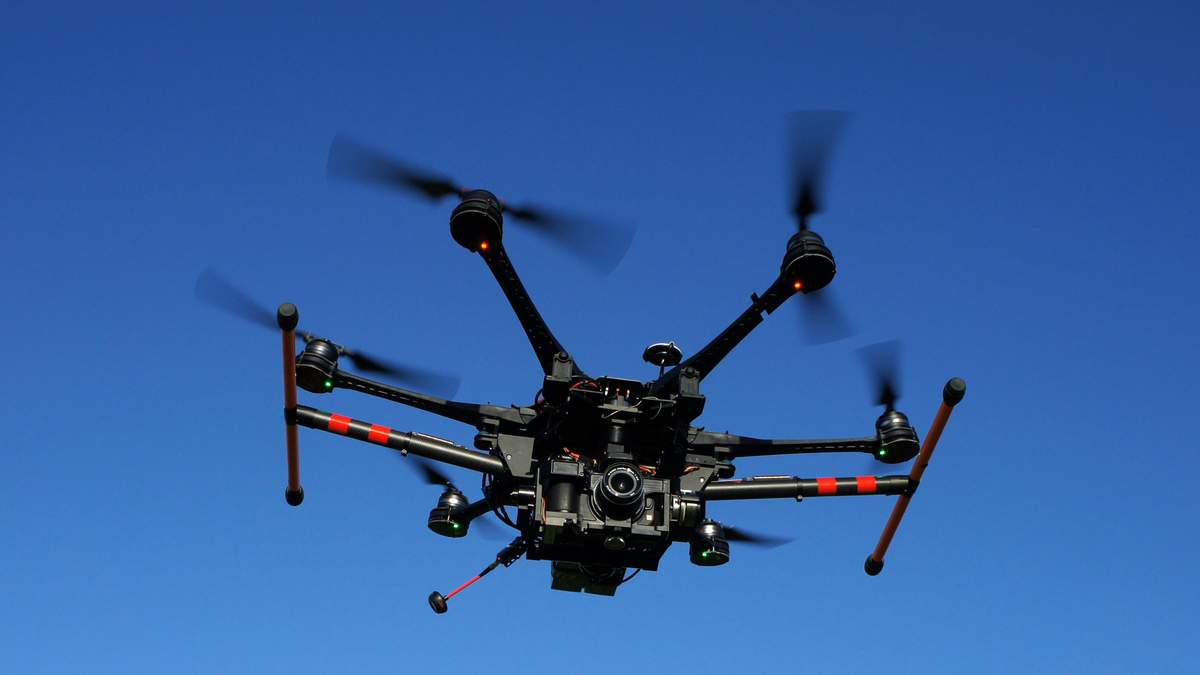

Los Angeles police drones are becoming a regular presence in city skies as the department significantly expands its unmanned aircraft program.
The Los Angeles Police Department deployed drones more than 3,500 times in 2025, according to a department report, marking a substantial increase in the use of aerial surveillance technology for law enforcement operations. LAPD officials say the drones can respond rapidly to emergencies and offer a more cost-effective alternative to traditional helicopter patrols. The department launched its Drone as First Responder Pilot Program in July 2025, positioning unmanned aircraft at strategic locations to provide real-time situational awareness before officers arrive on scene. The program aims to reduce response times, enhance officer safety, and optimize department resources, according to the LAPD’s public portal for the initiative.
“The mission of the Los Angeles Police Department’s Drone as First Responder (DFR) Pilot Program is to protect the lives of both citizens and first responders,” according to the department’s official program description. The department emphasizes that drones do not conduct patrols but respond to citizen calls and officer requests for aerial support during emergencies, hazardous situations, and searches in low-visibility conditions.
Los Angeles joins approximately 1,500 law enforcement agencies across the United States that have established drone programs, with 58 located in California. Chula Vista Police Department pioneered the concept in 2018, becoming the first department to use drones as first responders, according to InvestigateTV reporting.
The expansion has sparked privacy concerns among civil liberties advocates. “At least a police helicopter is identifiable,” one expert noted, highlighting concerns about the less conspicuous nature of drone surveillance.
Jay Stanley with the American Civil Liberties Union acknowledged benefits of using drones to find missing people or guide officers to emergencies but warned about potential government overreach. “The big danger, the big thing that we worry about is that they will become omniscient eyes in the sky, watching everybody in the community all the time,” Stanley told InvestigateTV.
The LAPD has implemented safeguards to address privacy concerns. Operators must comply with Federal Aviation Administration altitude regulations and are prohibited from intentionally recording locations where individuals would reasonably expect privacy, such as residences and yards, unless they have a warrant or exigent circumstances exist. The department uses a gimbal-mounted camera to prevent unnecessary recording, and all drone recordings are stored according to the same standards as body-worn video recordings.
LAPD policy states that unless someone is committing a crime or under criminal investigation, officers utilizing drones are “not interested in recording you.” The department has established a public dashboard to provide transparency about drone flights and the types of calls they respond to.
Under California Assembly Bill 481, drones are classified as military equipment, requiring public disclosure and oversight of their use. The department has published its complete drone policy and maintains a public email address for questions and concerns about the program.
The ACLU pointed to Baltimore’s aerial surveillance program in 2016 as a cautionary example. Police used aircraft-based surveillance following police protests for months without informing residents. A court ruled the program violated citizens’ Fourth Amendment rights, and it was officially dismantled by 2021.
Stanley emphasized that outside of FAA rules, there are no federal laws governing drone programs, allowing each state to establish different standards. He urged communities to examine these programs carefully and implement checks and balances to prevent mission creep.
The LAPD’s drone program comes after a prolonged delay. The department received drones donated by Seattle Police Department in 2014, but privacy concerns kept the aircraft grounded for three years. Seattle had terminated its own drone program in 2013 following scrutiny from the ACLU and concerned citizens.
Recent Comments