
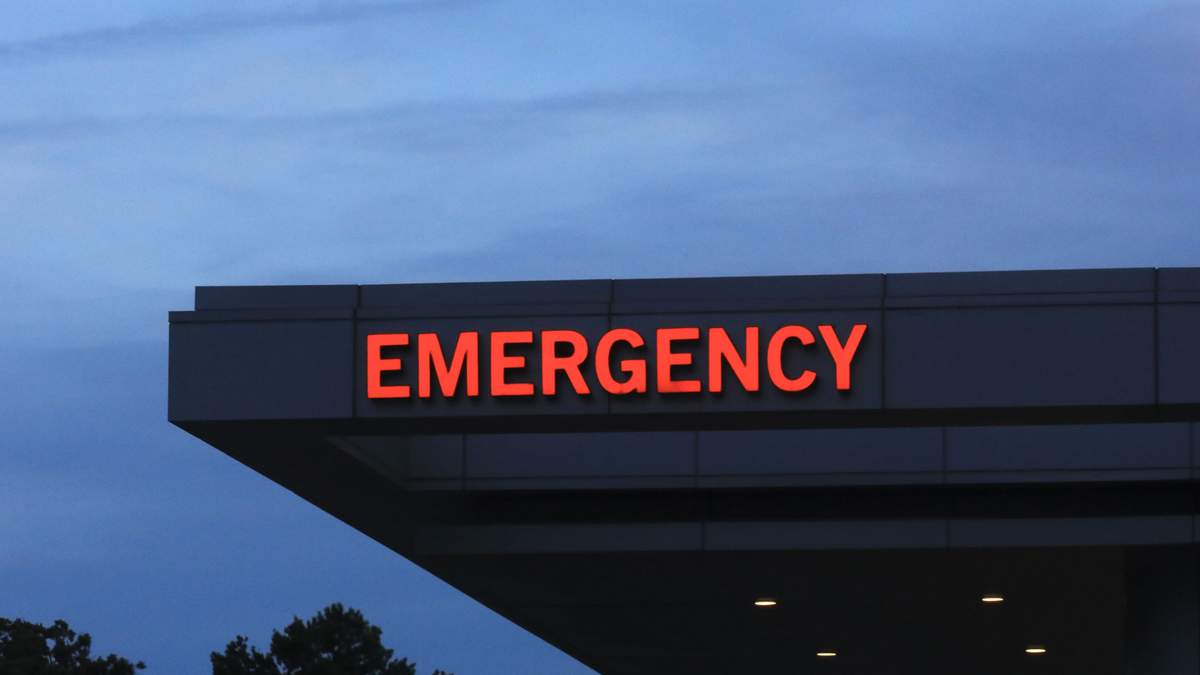

LOS ANGELES (CNS) – In a unanimous vote, the Los Angeles County Board of Supervisors Tuesday approved a $73.48 million agreement with 13 non-county- operated trauma centers for continued services across the region.
County officials described the vote as procedural, and necessary to ensure ongoing, vital health care services. The funding consists of $70.76 million in Measure B funds, $2.03 million from the Maddy Emergency Medical Services Fund, and $698,000 from the Richie’s Fund, according to a report from the county’s Department of Health Services.
Under the agreement, the Antelope Valley Hospital, California Hospital Medical Center, Cedars-Sinai Medical Center, Children’s Hospital Los Angeles, Henry Mayo Newhall Hospital, Huntington Hospital, Long Beach Medical Center, Northridge Hospital Medical Center, Pomona Valley Hospital Medical Center, Providence Holy Cross Medical Center, Ronald Reagan UCLA Medical Center, St. Francis Medical Center and St. Mary Medical Center will receive millions of dollars to support their emergency centers.
Two county-operated hospitals, Los Angeles General Medical Center and Harbor-ULCA Medical Center, also receive some money from these three accounts in a separate manner.
Passed by voters in 2002, Measure B is a special parcel tax of three- cents per square foot on generally all structural improvements, with the revenue used to maintain and expand the trauma system countywide or emergency medical services. Typically, trauma refers to individuals who have experienced a critical injury such as in a vehicle collision, a fall, a drowning, a gunshot, a burn, stabbing or a blunt assault.
As of July 1, 2025, the property assessment for Measure B stood at $0.0630 per improved square foot.
The Maddy and Richie’s Funds are dollars the county collects from penalties assessed on fines and bail forfeitures that the Superior Court issues for certain criminal offenses and motor vehicle violations. A portion of Maddy Fund money is designated by statute for pediatric trauma programs, and set apart into the Richie’s Fund.
Any remaining Maddy Fund dollars are available to support trauma and emergency services provided by hospitals and physicians.
However, one hospital is calling for county officials to examine the methodology in which Measure B funds are allocated, arguing that the dollars could be disbursed in a more equitable manner.
Martin Luther King Community Hospital, which in previous years has been a recipient of “leftover” Measure B funds, is advocating for a review of the formula.
MLK Community Hospital CEO Elaine Batchlor wrote to the board in February warning of the impacts President Donald Trump’s funding bill H.R.1 would have on the hospital. The letter also expressed support for the county’s efforts on securing funding to protect healthcare services impacted by the bill.
“MLK Hospital Serves as a critical safety-net hospital for LA County and has been financially distressed for multiple years,” Batchlor wrote in her letter.
The hospital serves patients Batchlor described as “historically disadvantaged and systematically deprived of medical resources. It’s located in South LA, which has the fewest emergency department beds per 100,000 residents among the county’s service planning areas.
“We see the highest volume of Medicaid ED visits statewide, the highest volume overall of emergency department visits among non-county hospitals in Los Angeles County, and carry the highest ED bed burden of any emergency department in the county,” Batchlor wrote.
Atul Nakhasi, vice president of government affairs and community relations for MLK Community Hospital, told CNS that officials there are looking at all possible ways to help sustain the hospital as it faces a reduction in federal funding like other medical centers across the region.
Nakhasi said they face an annual funding gap of $80 million to $100 million in 2027 due to a reduction in federal grants. He noted that revenue from the recently approved Measure ER by county residents will serve as a vital lifeline.
Measure ER, or the Essential Services Restoration Act, is a half-cent sales tax increase that will be in place for about five years. Revenue from the tax will support healthcare services, public health programs and other essential county services.
“It won’t close our whole gap, but we have a multi-pronged strategy to try to close as much of that gap as possible because our number one priority is to sustain all the vital care we provide to the community,” Nakhasi told CNS.
Nakhasi said the hospital is calling for public funds go to the area of greatest needs.
“We were one of the 17 distressed hospitals identified by the state of California, and one of two in LA identified for the distressed hospital loan program in 2023,” he said.
More than half of the hospital’s total budget is supplements, and it receives payment for services through Medi-Cal or Medicaid.
“We’re calling for a needs-based formula because we need the safety net. The system is facing grave danger,” Nakhasi told CNS. “… This community of South LA has been historically deprived of resources. We’ve been under-resources and we’ve been underestimated, and so we are asking for a fair share for South LA.”
Recent Comments