
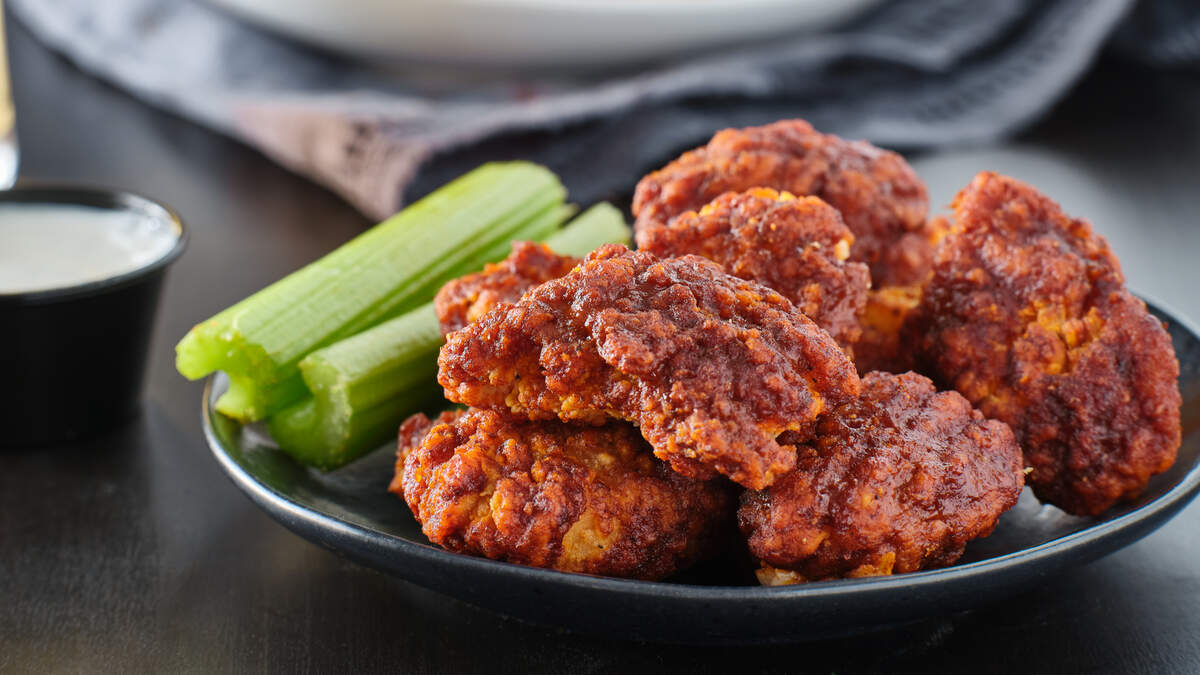

A federal judge has ruled that Buffalo Wild Wings can continue calling its popular menu item “boneless wings,” despite a lawsuit claiming the term misleads consumers.
In a 10-page ruling issued Tuesday, U.S. District Judge John Tharp in Illinois dismissed a lawsuit filed by customer Aimen Halim, who claimed the restaurant chain violated the Illinois Consumer Fraud Act by marketing what he called “essentially chicken nuggets” as boneless wings.
“Boneless wings are not a niche product for which a consumer would need to do extensive research to figure out the truth,” Judge Tharp wrote in his decision. “Instead, ‘boneless wings’ is a common term that has existed for over two decades.”
The lawsuit began after Halim visited a Buffalo Wild Wings restaurant in January 2023, expecting to receive “wings that were deboned.” He argued the product should be called something different, like “chicken poppers.”
Judge Tharp rejected this argument, noting that reasonable consumers understand “boneless wings” describes a style of preparation rather than literal deboned chicken wings. He compared it to other food items with names that aren’t meant to be taken literally.
“A reasonable consumer would not think that BWW’s boneless wings were truly deboned chicken wings, reconstituted into some sort of Franken-wing,” the judge wrote in his opinion, adding that Halim “did not ‘drum’ up enough factual allegations to state a claim.”
The court also pointed to Buffalo Wild Wings’ cauliflower wings as further evidence that the term “wings” on their menu refers to a style of preparation rather than the anatomical part of a chicken.
In his ruling, Tharp cited a 2024 Ohio Supreme Court decision about restaurants and customer expectations, noting that “a person eating ‘chicken fingers’ would know that he had not been served fingers.”
Legal analysts say this ruling aligns with a broader trend of courts dismissing consumer protection lawsuits based on overly literal interpretations of food labeling. Courts typically apply a “reasonable consumer standard” that considers whether an ordinary person would actually be misled by the term.
Buffalo Wild Wings, which is headquartered in Atlanta and owned by Inspire Brands, welcomed the decision. In a statement, the company said it was pleased the court recognized that its menu descriptions are clear and consistent with industry norms.
Judge Tharp has allowed Halim until March 20 to amend his complaint if he can “provide additional facts about his experience that would demonstrate that BWW is committing a deceptive act.”
Recent Comments