

Inflation in the United States surged to 3.8% in April, reaching its highest level in nearly three years, as ongoing conflict in Iran and the resulting energy price spike ripple through the economy. According to new data released Tuesday, Americans are now seeing prices rise faster than their wages for the first time since 2023, deepening affordability concerns for households nationwide.
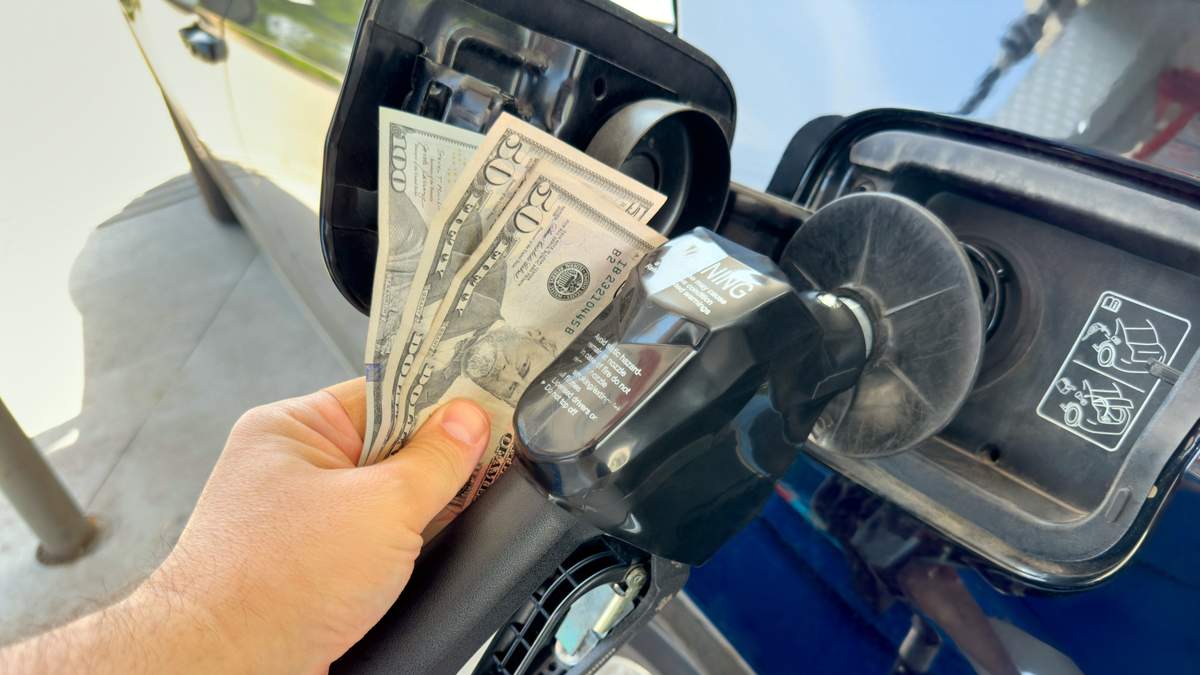
The Bureau of Labor Statistics (BLS) reported that overall inflation climbed 0.6% from March to April. Nearly half of the increase was driven by sharply higher energy costs, with the price of gasoline jumping 5.4% in April alone and oil prices up over 70% since the start of the year. The national average for a gallon of gas reached $4.50, its highest mark since July 2022, according to the AAA motoring group. The closure of the Strait of Hormuz—a key oil shipping route—due to fighting in Iran has been a central factor in these increases, as detailed by the BLS.
Other essentials also saw notable price hikes. Grocery prices rose 0.7% in April, the biggest monthly jump in nearly four years. Airfares climbed 20% from a year ago, partly due to a 60% surge in jet fuel. The cost of shelter and food away from home also went up. While some categories, including new vehicles, medical care, and communications, saw slight decreases or remained flat, these reductions were not enough to offset rising costs elsewhere.
Wage growth, which had outpaced inflation since 2023, slowed to 3.6% in April, meaning paychecks are no longer keeping up with the cost of living.
The Federal Reserve is facing growing pressure to address rising prices. Forecasters largely expect no interest rate changes at the Fed’s next meeting in mid-June, but some analysts say an interest rate hike could be possible if price pressures persist. President Donald Trump has announced plans to suspend the federal gas tax to help drivers, and Congress is considering bills to pause the tax for at least 90 days. Meanwhile, Kevin Warsh, Trump’s pick to lead the central bank, is expected to be confirmed soon as the new chair, a position that will carry significant influence over future monetary policy.
With the war in Iran continuing to disrupt energy markets and supply chains, economists warn that Americans may continue to face higher prices for months to come.
Recent Comments