
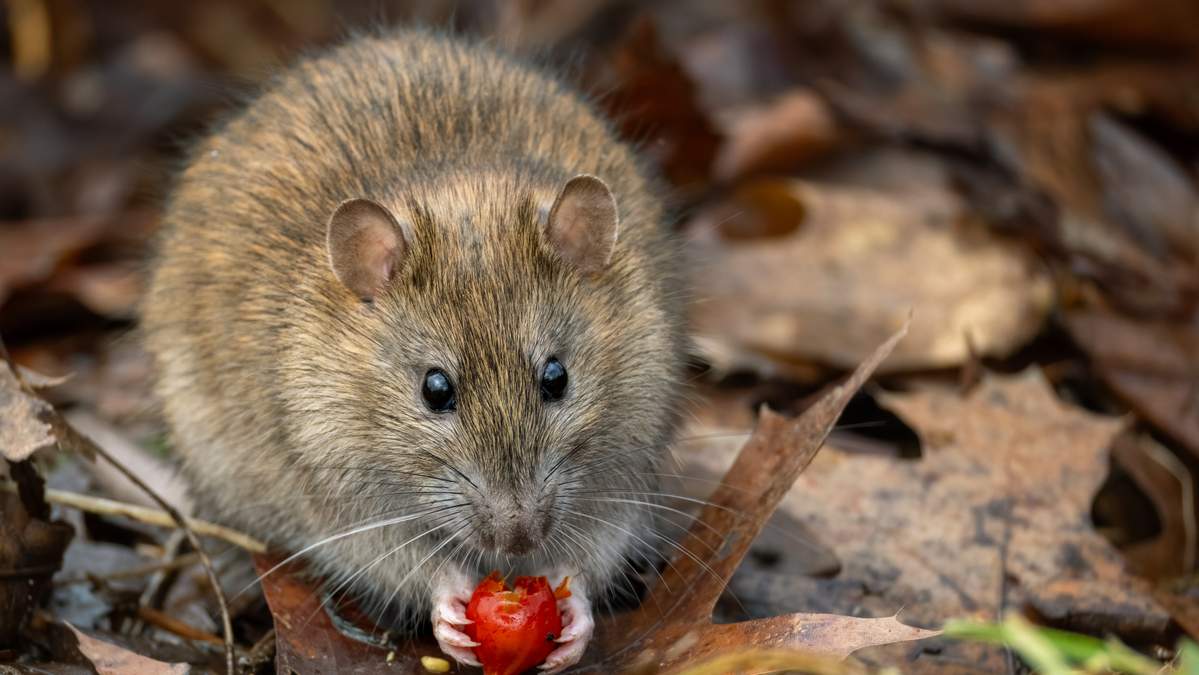

A recent study conducted by researchers at Washington State University’s College of Veterinary Medicine reveals that the risk of hantavirus exposure may be higher than previously believed in parts of the Pacific Northwest. The research, published in the journal Emerging Infectious Diseases, found unexpectedly high levels of the Sin Nombre virus (SNV) among rodent populations in the Palouse region, which includes parts of eastern Washington and north-central Idaho.
The study involved collecting samples from 189 rodents, including deer mice, voles, and chipmunks, across eight farms and two forest sites during the summer of 2023. Nearly 30% of the rodents showed evidence of past infection, and about 10% had active infections. These findings suggest that the virus may be more widespread in the region than previously thought, posing a potential exposure risk to surrounding agricultural communities.
According to Fox News, the Sin Nombre virus is primarily spread to humans through inhalation of aerosolized rodent urine, droppings, or saliva. Although the virus is not known to spread person-to-person, it can cause hantavirus pulmonary syndrome (HPS), a severe respiratory disease. Despite the high prevalence in rodents, human infections remain rare, with only 864 cases reported in the United States from 1993 to 2022.
Stephanie Seifert, the study’s corresponding author, noted the surprising prevalence of the virus in the region and emphasized the need for further research to understand how the virus spreads geographically and between species. The researchers recommend taking precautions when cleaning areas where rodents may have been present, such as ventilating spaces and using wet-cleaning methods to reduce the risk of inhalation.
The study also produced the first full genome sequences of SNV strains from the Northwest, revealing high genetic diversity and evidence of viral reassortment. This information can help public health officials track the virus’s evolution and improve surveillance and testing.
Researchers hope to expand their work in the future, including studying how often people are exposed and how human behavior influences risk.
Recent Comments