
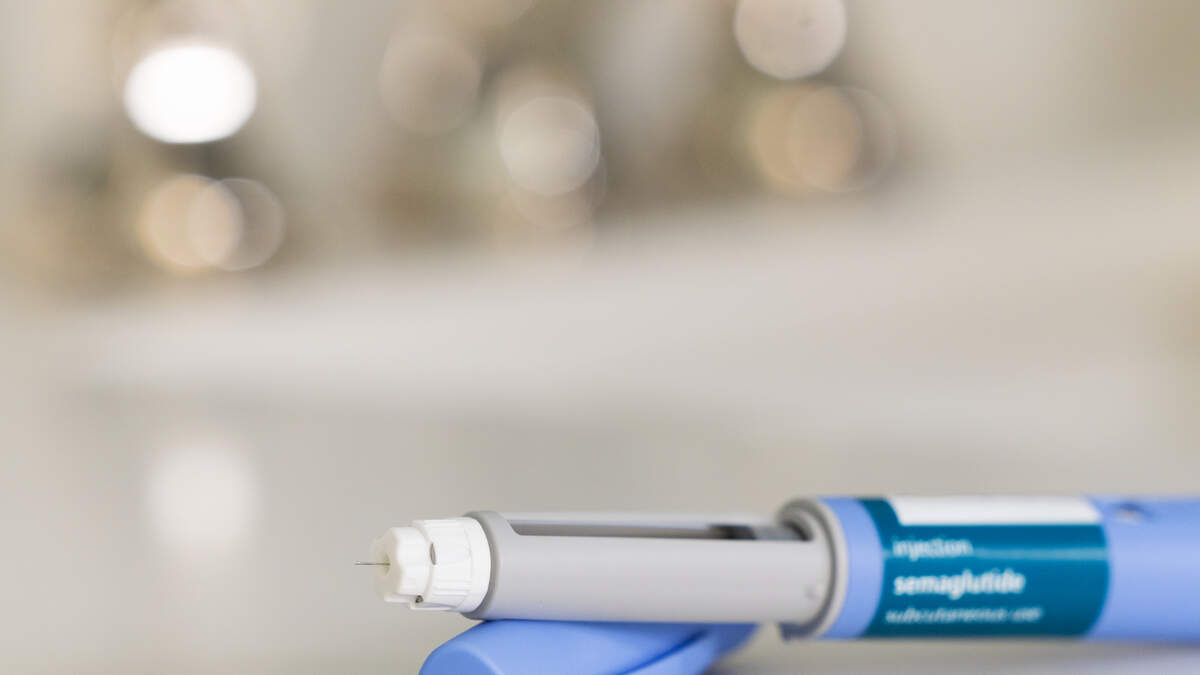

A seven-year-old Indiana girl, Jessa Milender, spent nearly a week in the hospital after accidentally injecting herself with her mother’s prescription GLP-1 medication, Mounjaro, in December 2024. The incident left her severely ill and highlights the growing risks associated with the popularity of weight-loss and diabetes drugs among adults, especially as children may access them at home.
On the day of the incident, Jessa, believing the medicine would help her stomach ache, retrieved the pre-filled syringe from the refrigerator and injected herself, mimicking what she had seen her mother do. Within hours, she began vomiting and became increasingly lethargic. Her mother, Melissa Milender, immediately called Poison Control, following their advice to keep Jessa hydrated and at home if possible. However, Jessa’s condition quickly worsened, with severe vomiting, abdominal pain, and an inability to keep down water, as detailed in an interview with KFMB.
Jessa was admitted twice to the hospital over the next several days, as recounted by her mother to WTHR. During her second hospital stay, doctors grew concerned about possible kidney failure after Jessa stopped urinating and continued vomiting up to 15 times per day. She was treated with IV fluids and close monitoring until her symptoms improved and the medication cleared her system. She was able to return home two days before Christmas and has since made a full recovery.
Cases like Jessa’s remain uncommon but are rising. According to the Indiana Poison Center, calls related to GLP-1 medication overdoses doubled to 320 in 2025, with most involving adults but a handful concerning children and teens. Nationally, America’s Poison Centers report a nearly 1,500% increase in calls regarding injectable weight-loss drugs like Ozempic, Wegovy, and Mounjaro since 2019. The majority of these cases are accidental overdoses or dosing errors, but experts warn that increased use of these medications means more opportunities for children to be exposed.
GLP-1 drugs, including semaglutide and tirzepatide, are designed to help manage blood sugar and can reduce hunger, making them effective for both diabetes and weight loss. Overdosing can lead to dangerous gastrointestinal symptoms, dehydration, and in rare cases, organ complications.
Doctors and poison control experts recommend that anyone prescribed GLP-1 medications carefully follow dosing instructions, buy only from reputable sources to avoid counterfeit drugs, and store medications securely—preferably in a lockbox—to prevent children from accessing them. Melissa Milender now keeps her medication locked away and hopes her family’s experience will help prevent similar incidents.
Recent Comments