

LOS ANGELES (CNS) – With temperatures soaring into the triple-digits this week, the Los Angeles County Department of Public Health was urging residents Tuesday to take precautions to protect themselves from the heat.
Extreme heat warnings and heat advisories issued by the National Weather Service will be in effect through Thursday for most of the county’s inland valleys, mountains and desert communities, even affecting coastal areas.
Public health officials urged residents to stay hydrated, limit outdoor activities during the hottest part of the day, wear lightweight and light-colored clothing and seek air-conditioned spaces if their homes become too warm. Officials also reminded residents never to leave children or pets unattended in vehicles, even for a short time.
Those most vulnerable to heat-related illnesses include older adults, young children, pregnant women, people with chronic medical conditions, outdoor workers, athletes and people without access to air conditioning, according to the county. Residents were encouraged to check on neighbors, family members and others who may be at greater risk.
“Heat causes more deaths in the U.S. annually than floods, storms, and lightning combined,” Los Angeles County Health Officer Dr. Muntu Davis said in a statement.
Symptoms of heat stroke can include a body temperature of 103 degrees or higher, dizziness, nausea, confusion, rapid pulse, fainting and hot, red or damp skin. Anyone experiencing such symptoms should receive immediate medical attention by calling 911, health officials said.
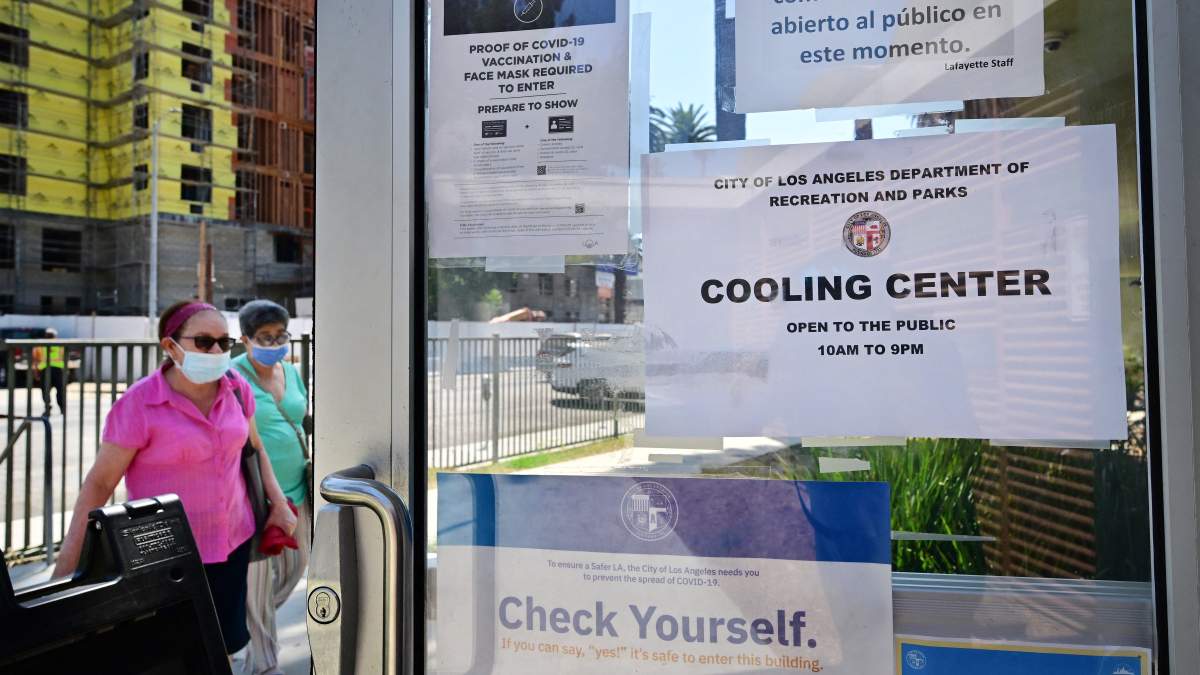
Residents without air conditioning were encouraged to visit cooling centers, libraries, shopping malls or other air-conditioned public spaces. Information about cooling centers, splash pads and community pools is available by calling 211 or at https://ready.lacounty.gov/heat/
Officials also advised residents to use the National Weather Service’s HeatRisk map to check heat conditions in their neighborhoods and determine the level of heat-related risk. The tool factors in forecast temperatures, overnight heat, local climate conditions and health vulnerability data to estimate the potential for heat impacts.
Recent Comments