
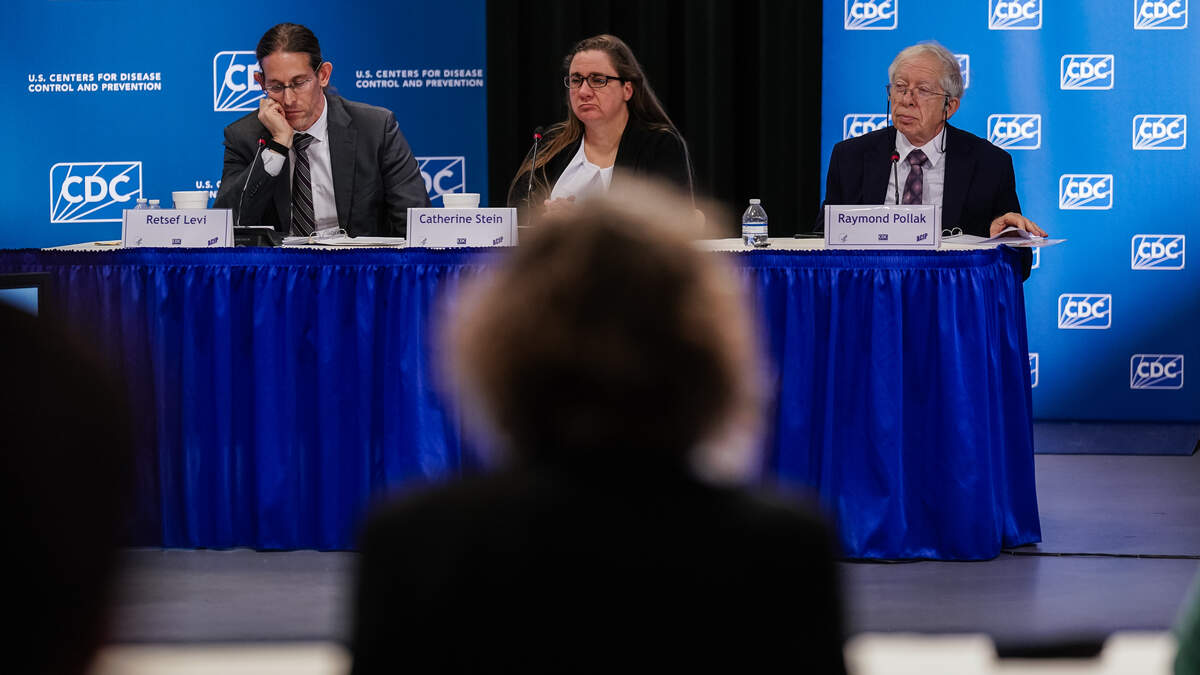

The Centers for Disease Control and Prevention (CDC) advisory panel voted on Friday (December 5) to revise its longstanding recommendation that all newborns receive a hepatitis B vaccine within 24 hours of birth. This decision follows a contentious meeting marked by confusion and debate over the vaccine’s necessity for all infants.
For over three decades, the CDC has advised that all newborns be vaccinated against hepatitis B shortly after birth to prevent the spread of the incurable liver infection, which can lead to serious health issues like liver disease and cancer. However, the panel, now led by Health Secretary Robert F. Kennedy Jr., is considering a shift in strategy. The new recommendation suggests that only newborns of mothers who test positive for hepatitis B receive the vaccine immediately, while others consult with healthcare providers to decide.
Despite the panel’s decision, many medical professionals and organizations continue to support the universal vaccination of newborns. They argue that the vaccine has significantly reduced hepatitis B cases among children.
The CDC’s acting director, Jim O’Neill, will now decide whether to adopt the panel’s recommendation. The decision has sparked widespread debate, with potential implications for the entire childhood immunization schedule.
Recent Comments