
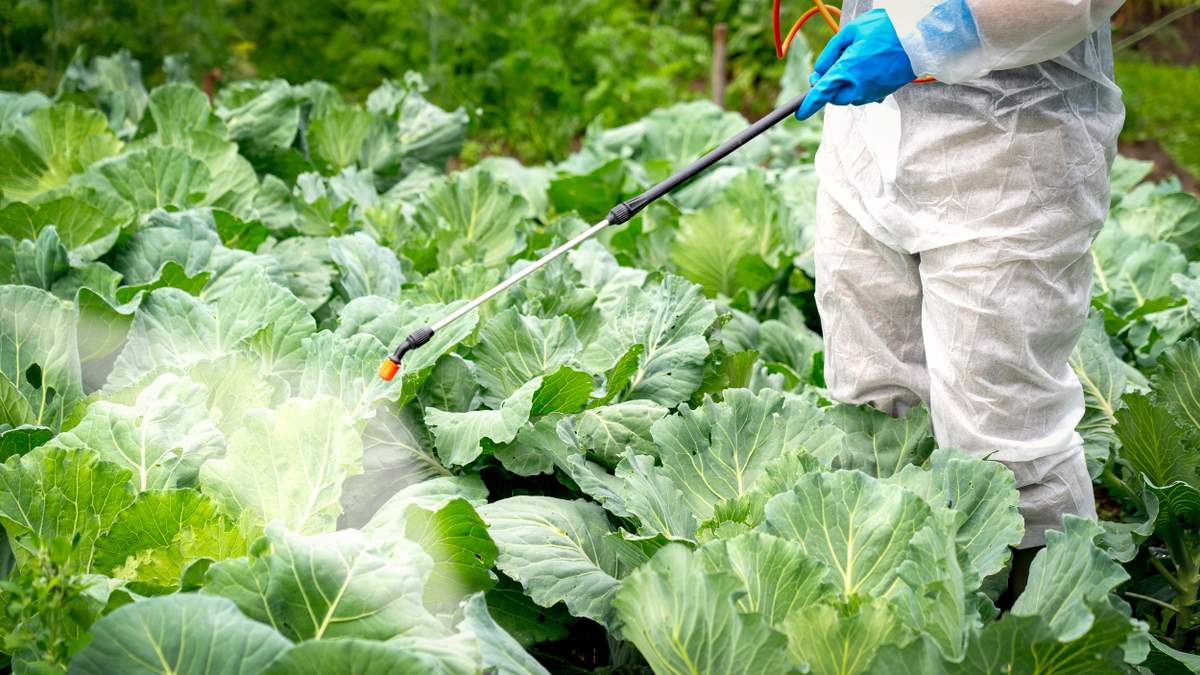

California lawmakers have rejected Assembly Bill 1603, which aimed to ban pesticides containing perfluoroalkyl and polyfluoroalkyl substances (PFAS), often referred to as “forever chemicals,” from being used on the state’s farms.
The bill, introduced by Assemblymember Nick Schultz (D-Burbank), faced strong opposition from the agricultural sector, which argued that the ban would increase food imports and hinder innovation in pesticide development.
The bill proposed phasing out PFAS pesticides due to their potential health risks, including decreased fertility, developmental delays, and increased cancer risk, as reported by the Environmental Protection Agency. Despite these concerns, the bill was amended to require the state to list PFAS-containing pesticides in a public database instead of banning them outright.
According to Union-Bulletin, Schultz expressed disappointment over the rejection but remains committed to phasing out PFAS chemicals. He plans to work with the Department of Pesticide Regulation to enhance oversight in the coming years.
The Environmental Working Group (EWG), a cosponsor of the bill, highlighted that nearly 40% of California’s conventionally grown produce contains PFAS residues. The EWG’s senior vice president, Bernadette Del Chiaro, emphasized the need for California to lead in public health and food safety by reducing PFAS contamination.
The bill’s rejection comes amid ongoing debates over PFAS regulations. Governor Gavin Newsom previously vetoed a bill banning PFAS in consumer products, citing affordability concerns. California has, however, enacted laws to limit PFAS in food packaging and firefighting foam.
While the bill did not pass, Schultz and other advocates continue to push for stricter regulations on PFAS pesticides. The bill is expected to be revisited when the state legislature resumes its session next month.
Recent Comments