
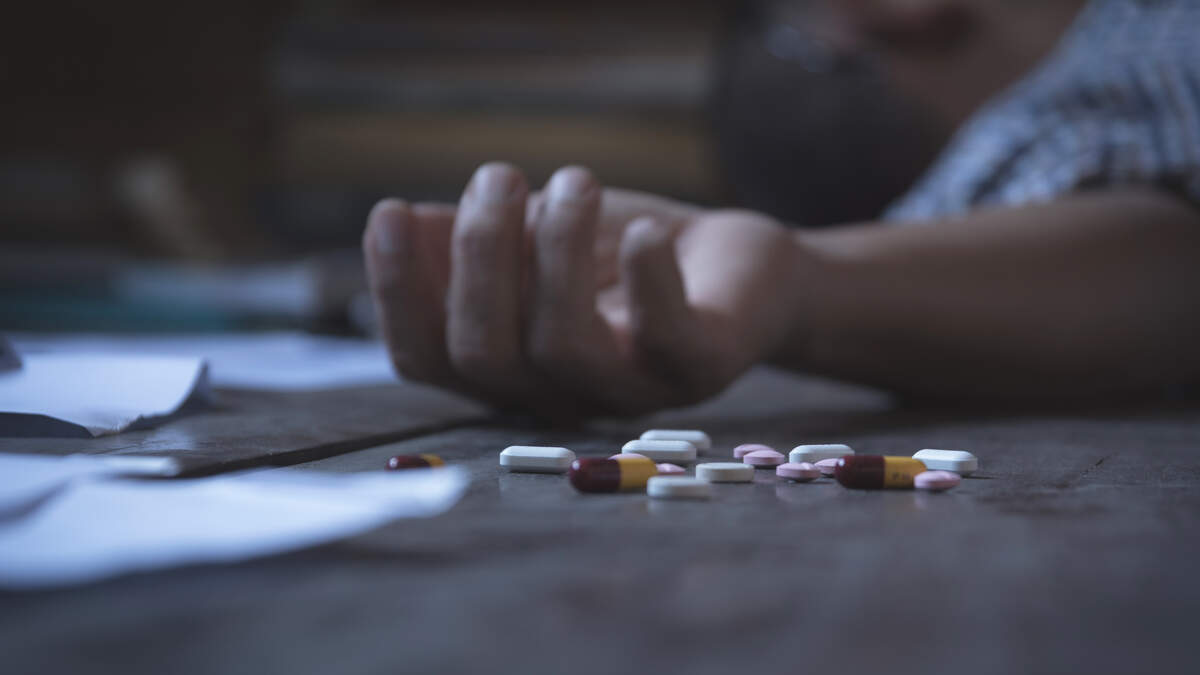

A new California law will soon require public colleges and universities to offer rehabilitation services to students who overdose — before pursuing any disciplinary action against them. The law takes effect July 1, and it marks a major shift in how campuses handle drug and alcohol emergencies.
TJ McGee knows firsthand what it feels like to be on the wrong side of that system. Two years ago, the then-second-year UC Berkeley student lay on the floor of his dorm, pale and seizing, after an overdose. His roommates hesitated to call for help, afraid of what the university might do.
“In that moment, when someone is overdosing, the stakes are life and death. But for the person on the ground, there is no guarantee that help will mean healing,” McGee later told California Assembly members at a committee hearing in April 2025.
After that night, according to CalMatters, the university placed McGee on academic probation. He said no one checked on him or pointed him toward support. “He spent the next months crawling his way through recovery alone, piecing together what he could, holding his education together with duct tape and desperation,” he told state senators, recounting his story in the third person.
His experience helped spark the creation of Assembly Bill 602, which Governor Gavin Newsom signed into law in October 2025. The legislation requires all campuses in California’s three public higher education systems — California Community Colleges, California State University (CSU), and the University of California (UC) — to offer students a chance to complete a rehabilitation program before any disciplinary action is taken against them for drug or alcohol use.
The bill was drafted by a group of students from UC Berkeley, UC Davis, and other universities, working alongside Assemblymember Matt Haney, a Democrat who represents District 17 in San Francisco. “We should protect students from these hugely harmful academic consequences when they do the right thing and call for help,” Haney said.
Saanvi Arora, one of the students who helped write the bill, said many students simply don’t trust university staff enough to ask for help. “They would much rather just see what happens and hope that they’re OK — leave it up to fate, honestly — than call or go downstairs and bring an RA or bring a trusted campus official to help them,” the fourth-year UC Berkeley student said. Arora said the issue is personal: a close friend died from an overdose when she was 15.
Aditi Hariharan, president of the UC Student Association and a political science and nutrition student at UC Davis, also helped draft the bill. She said a close friend from high school developed alcohol addiction during their first year of college, couldn’t access recovery services on campus, and eventually dropped out to find help elsewhere. “You can’t engage in recovery if you’re already dead,” Hariharan said. “This legislation allows folks to seek medical care.”
Drug overdoses are now the third leading cause of death for 18- to 24-year-olds in California, according to data from the California Department of Public Health. A 2025 survey by the American College Health Association found that around 4% of college students reported using cocaine at least once, while 8% reported using hallucinogens. The same survey found that 2.3% of students said they were in recovery from alcohol or substance use.
Under the final version of the law, the overdose protections apply only once per academic semester, quarter, or term. Earlier drafts of the bill also included protections for bystanders who call for help, but those provisions were removed after UC and CSU officials raised concerns that the original language could give students broad immunity even when other conduct violations — like assault or property damage — were involved.
Ray Murillo, the interim assistant vice chancellor for student affairs for the Cal State system, said his main concern was that the bill not provide total amnesty. “Our biggest concern is that it shouldn’t give 100% amnesty, meaning just the fact that alcohol or other substance use was involved, that the student gets 100% amnesty,” Murillo said. “We weren’t comfortable with completely recusing the student.”
Murillo added that CSU has not yet built a systemwide program to implement the law and is still assessing costs, including whether students who use rehabilitation services will have to pay for them. “We don’t have a program that’s directly tied to this bill just yet,” he said.
UC Berkeley confirmed it sent students an email stating it will comply with AB 602 but offered no further detail on how the law will affect its existing conduct policy. The campus does run a Collegiate Recovery Program that students can access voluntarily.
AB 602 builds on earlier action by state leaders. In 2023, Governor Newsom signed the Campus Opioid Safety Act, which required CSU campuses and community colleges — and requested UC campuses — to make Narcan, a drug that reverses opioid overdoses, available to students.
All California public college and university campuses must have their new rehabilitation-first policies in place by July 1.
Recent Comments