
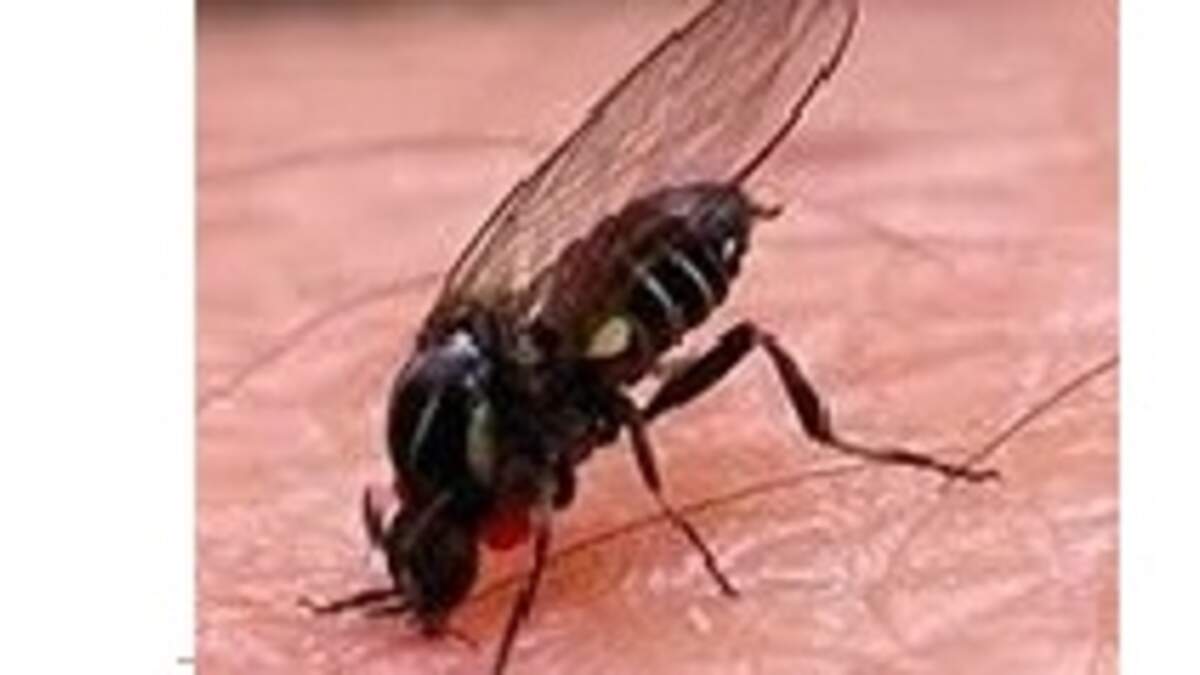

A surge of biting black flies is descending on San Gabriel Valley foothill communities this spring, with trap counts jumping from single digits to more than 500 compared to the same time last year — and local health officials say warmer weather and unusually high water flows are to blame.
According to LAist, Anais Medina Diaz, director of communications at the San Gabriel Valley Mosquito and Vector Control District (SGVMVCD), says the spike is highly unusual for this time of year.
“We are experiencing them now because of the warmer temperatures we’ve been having,” Diaz said. “And of course, all the water that’s going down through the river, we have a high flow of water that is not typical for this time of year.”
Black flies (Simulium vittatum) are tiny biting insects often mistaken for mosquitoes. They are active in large numbers and can travel long distances. They tend to target the eyes and neck of both humans and pets. Their bites are painful, but the SGVMVCD confirms they do not transmit diseases in Los Angeles County.
The flies breed near flowing water and are especially common in foothill communities including Altadena, Azusa, Bradbury, Duarte, Glendora, Monrovia, San Dimas, and Sierra Madre. Increases in black fly activity are often triggered by scheduled water releases from upstream dams — flows that are necessary for regional water management but also create ideal breeding conditions for the insects.
The SGVMVCD says its teams are actively monitoring and treating accessible breeding sites along rivers, streams, and locations like Morris Dam at the maximum frequency and rate permitted by pesticide regulations. However, officials note that many breeding sites are influenced by natural or infrastructure conditions outside their control, and biting activity is expected to continue for a few more weeks as treatments take time to work.
Health officials recommend wearing face netting, since black flies aim for the face and eyes. They also advise applying DEET-based repellent to exposed skin, as DEET is the only repellent known to work against black flies. Homeowners with decorative fountains or backyard waterfalls should turn off those water features for 24 hours once a week to disrupt potential breeding sites — but remember to turn them back on to prevent mosquitoes from using the stagnant water.
Residents can report black fly activity or suspected breeding sites to the SGVMVCD by calling (626) 814-9466, emailing district@sgvmosquito.org, or submitting a tip online. Those in other parts of Los Angeles County can contact the Greater Los Angeles Vector Control District at (562) 944-9656 or submit a service request online.
Officials say black fly activity is expected every summer, but this year’s early and intense surge serves as a reminder for foothill residents to stay prepared. The SGVMVCD encourages residents to sign up for population spike alerts on its website so they can respond quickly when activity rises.
Recent Comments