
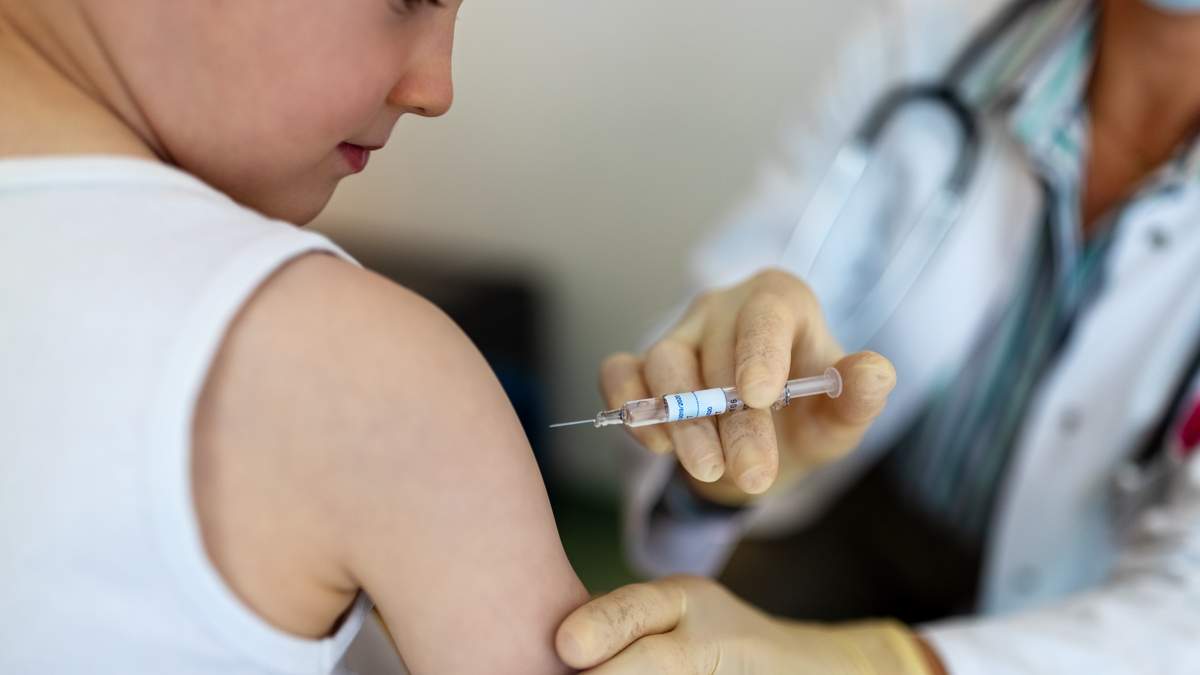

President Donald Trump signed an executive order on Monday (August 10) that directs federal health agencies to reduce the number of recommended childhood vaccines and reshape how vaccines are categorized in the United States. The order follows a January assessment by the Department of Health and Human Services (HHS) that proposed cutting the recommended routine childhood vaccines from 17 to 11, and dividing the national vaccine schedule into three categories: routine, high-risk, and shared decision-making.
Under the new guidelines, vaccines for diseases like hepatitis A, hepatitis B, rotavirus, influenza, dengue, respiratory syncytial virus (RSV), and certain forms of meningococcal disease would only be recommended for children in high-risk groups or after consultation with a healthcare provider. The order maintains routine recommendations for vaccines covering 11 diseases, including measles, mumps, rubella, whooping cough, tetanus, diphtheria, Haemophilus influenzae type b, pneumonia, polio, human papillomavirus (HPV), and chickenpox. President Trump stated that the intent of the order is to align U.S. policy with “best practices from peer, developed countries” and provide “maximum flexibility to parents and doctors,” according to the executive order text.
The move has triggered strong criticism from leading medical organizations. The California Medical Association (CMA) described the executive order as a “reckless intervention into established public health policy.” CMA President Dr. René Bravo warned the changes “lack a scientific basis and run the risk of undermining trust in vaccines at a time when preventable diseases such as measles are re-emerging across the country.” The American Academy of Pediatrics (AAP) and the American College of Physicians (ACP) both expressed concern, noting that the U.S. vaccine schedule was designed through years of scientific review to protect children from serious illness and outbreaks.
The Centers for Disease Control and Prevention (CDC) and its Advisory Committee on Immunization Practices will now review the latest clinical data and consider further updates to the vaccine schedule.
Recent Comments