
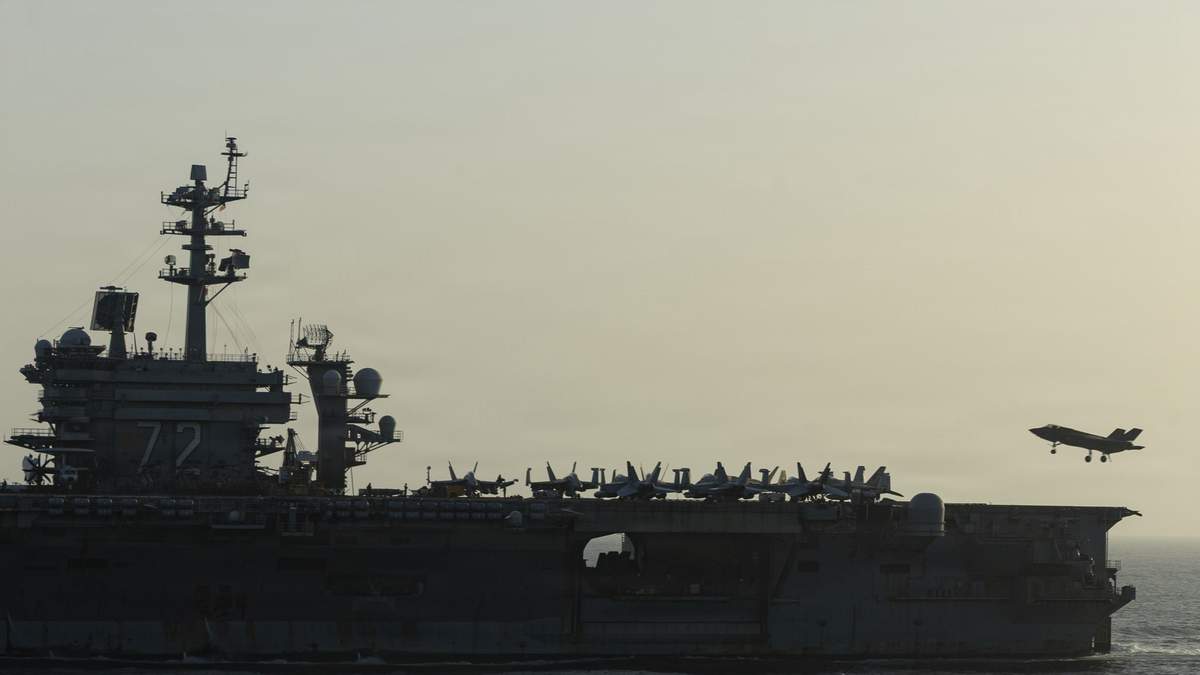

The United States has initiated a third consecutive night of airstrikes against Iran, as announced by U.S. Central Command on Monday (July 13). These strikes, directed by President Donald Trump, aim to diminish Iran’s capacity to “attack innocent civilians and commercial shipping in the Strait of Hormuz.” This escalation follows President Trump’s decision to reinstate a blockade of the strategic waterway, allowing all but Iranian ships to pass through.
In a post on Truth Social, President Trump stated that the U.S. will act as “the guardian of the Hormuz Strait” and will charge a 20% fee on all cargo shipped through it. The move has sparked criticism and concerns over escalating tensions in the region. According to ABC News, Iran has responded by asserting its sovereignty over the Strait and vowing to counter any U.S. interference.
Amid these developments, oil prices have surged, with U.S. oil selling at around $78 a barrel and global oil at approximately $83 a barrel. The situation remains tense as both nations continue to exchange strikes despite ongoing peace talks. The Associated Press reports that Iran’s Foreign Minister Abbas Araghchi criticized the U.S. blockade, calling the 20% charge excessive.
The White House has informed Congress of the renewed military action, emphasizing that U.S. ground forces are not involved and that the strikes are designed to minimize civilian casualties. However, some lawmakers argue that the administration has exceeded its authority under the War Powers Act. Reuters reports that Iran declared the Strait closed to unauthorized vessels, further complicating the situation.
As tensions rise, the international community watches closely, with the potential for further economic disruption and global impact on oil and gas supplies.
Recent Comments