

LOS ANGELES (CNS) – The Los Angeles County Department of Public Health Friday was monitoring a deadly hantavirus outbreak linked to a cruise ship that carried at least one California resident, while downplaying any risk of local infections or broader public exposure.
So far, three people are confirmed to have died from the hantavirus outbreak traced to the MV Hondius cruise ship, while several other people have fallen ill. The ship departed Argentina on April 1 and made stops along the African coast, most recently heading toward the Canary Islands.
According to cruise operator Oceanwide Expeditions, 30 passengers — including six United States residents — disembarked the ship in Africa on April 24, roughly two weeks after one of the passengers had died from what were unknown causes at the time.
Those passengers are believed to have included residents of at least five states, including California.
The California Department of Public Health confirmed Thursday that it was notified by the U.S. Centers for Disease Control and Prevention that an unspecified number of California residents “were onboard the cruise ship that had passengers infected with hantavirus.”
“We are coordinating with local health officials, as needed, to monitor returning travelers,” according to the department. “There is no information that the California residents are ill or infected. In order to protect patient privacy, CDPH cannot disclose the travelers’ residences or other information. At this time, the risk to public health in California is low.”
The L.A. County Department of Public Health said it was closely monitoring the hantavirus situation, but, “At this time, Public Health has not been notified that any of the passengers that disembarked the cruise traveled to Los Angeles County. There is no indication of increased risk to people in Los Angeles County.”
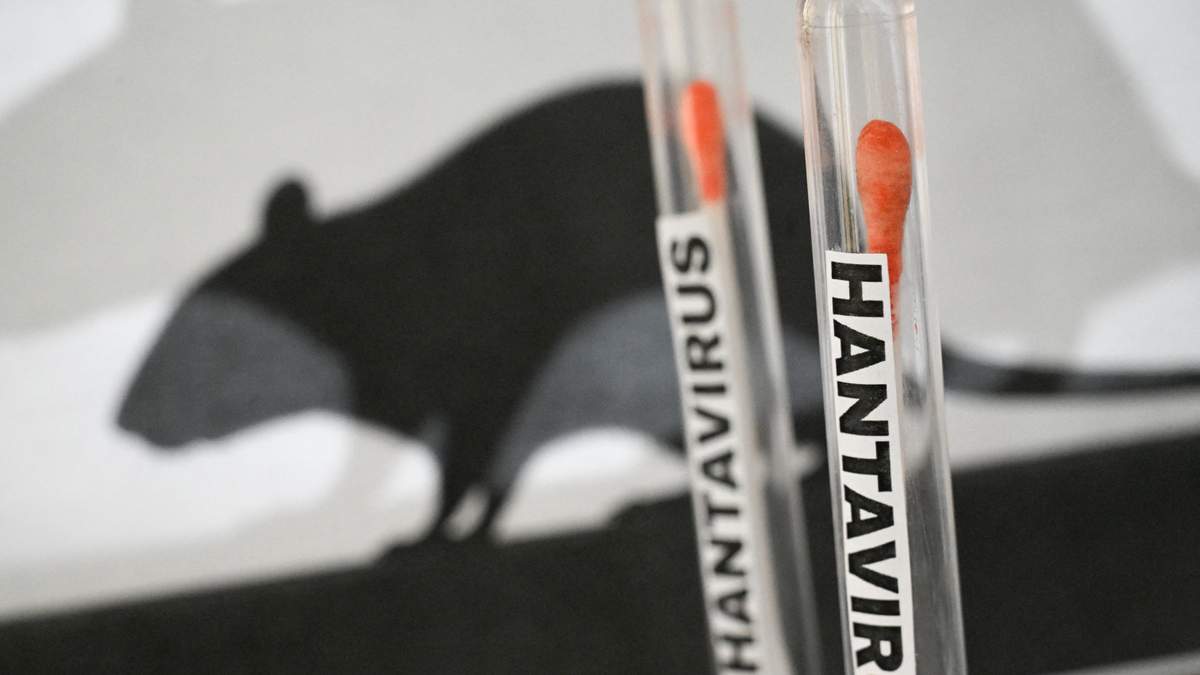
According to the World Health Organization, human infection with hantavirus is usually associated with contact with the urine, feces or saliva of infected rodents. The current outbreak, however, is believed to be an Andes strain of the virus, which can result in human-to-human transmission.
The organization “currently assesses the risk to the global population from this event as low,” according to WHO.
Recent Comments