
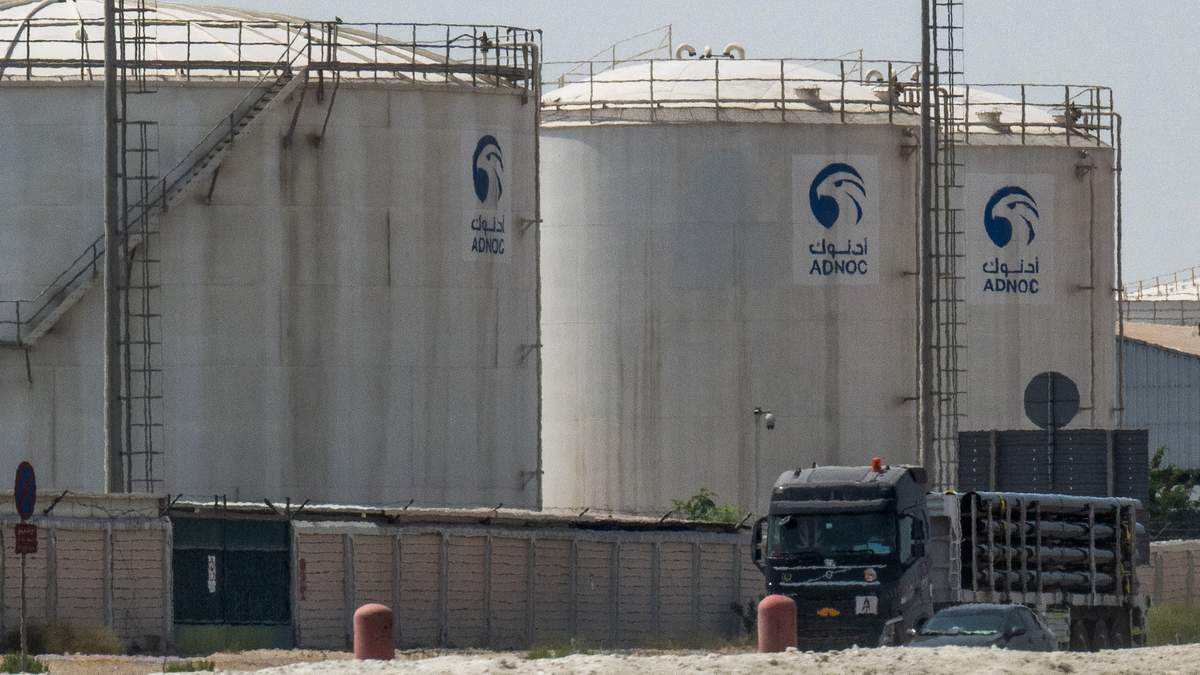

The United Arab Emirates announced it will leave the Organization of the Petroleum Exporting Countries (OPEC) and its broader alliance, OPEC+, starting Wednesday (May 1), marking a significant shift for the world’s largest oil exporters. The decision comes as the ongoing Iran war causes a major energy shock and drives oil prices above $110 a barrel—the highest in three weeks.
The UAE’s exit, after six decades as a member, is seen as a major blow to OPEC and its de facto leader, Saudi Arabia, at a time when Gulf oil producers are struggling to ship exports through the Strait of Hormuz. This narrow waterway between Iran and Oman is a key route for about one-fifth of the world’s crude oil and liquefied natural gas, but Iranian threats and attacks on vessels have disrupted supply lines.
The withdrawal reflects long-standing tensions within OPEC about production levels and political influence, particularly between the UAE and Saudi Arabia. UAE Energy Minister Suhail Al Mazrouei said, “This is a decision that we took after a very careful and long review of all our strategies. The decision is taken at the right time in our view because it’s not going to hugely impact the market: the market is undersupplied,” as reported by World Oil. He added that leaving OPEC will allow the UAE to respond more flexibly to shifting market demands, especially during a period of supply disruptions caused by the war.
Analysts say the move could lead to further fragmentation within OPEC, which has traditionally tried to display unity despite internal disagreements over geopolitics and quotas. The decision also follows public criticism from UAE officials, who have expressed frustration over what they describe as weak political and military support from other Gulf and Arab states in response to Iranian attacks. Anwar Gargash, diplomatic adviser to the UAE president, said at the Gulf Influencers Forum, “The Gulf Cooperation Council countries supported each other logistically, but politically and militarily, I think their position has been the weakest historically.”
The UAE’s departure is also being seen as a strategic win for President Donald Trump, who has previously accused OPEC of driving up oil prices and said that US military support for Gulf countries should be linked to oil pricing policies. President Trump claimed that while the US provides security for OPEC members, they “exploit this by imposing high oil prices.”
With oil futures now near $111 a barrel in London, market experts warn that prices could rise further if the current instability continues. The situation remains fluid as tensions in the region persist and exporters in the Gulf face mounting challenges.
Industry watchers will be closely monitoring the impact of the UAE’s exit on OPEC’s ability to manage global oil supplies and on energy prices worldwide in the coming weeks.
Recent Comments