
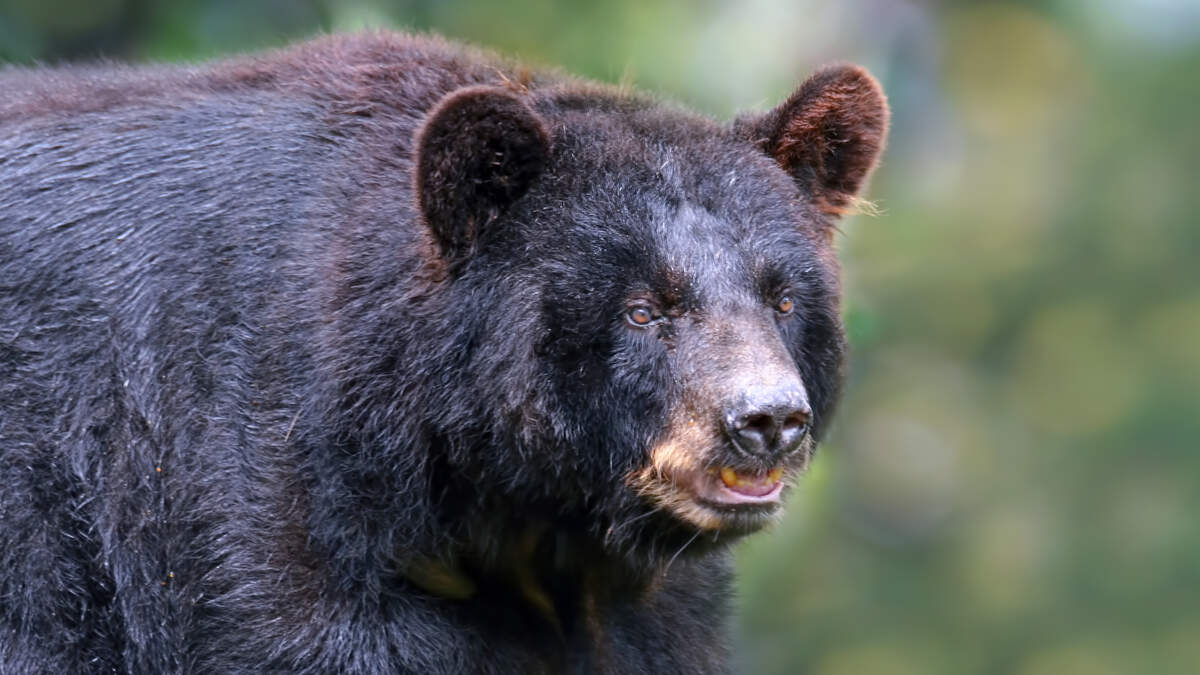

Following the controversial euthanization of a mama bear named ‘Blondie’ by residents in Monrovia, lawmakers are considering Senate Bill 1135, which mandates nonlethal solutions for human-wildlife conflicts.
The bill, introduced by Senator Catherine Blakespear (D-Encinitas), aims to establish the Wildlife Coexistence Program. This program would provide public education, technical assistance, and nonlethal deterrents like barriers and noise machines to help communities coexist with wildlife.
Senator Blakespear emphasized the need for a permanent program after a similar initiative ended due to funding issues. “We need to recognize the importance of seeing ourselves, humans, as part of a larger ecosystem,” she said. The bill also proposes renaming the existing compensation program for livestock losses due to wolves to the Wolf-Livestock Coexistence and Compensation Program. Ranchers seeking compensation would need to use approved nonlethal deterrents.
More than 30 organizations, including the National Wildlife Federation, support the bill. However, the California Farm Bureau and the California Cattlemen’s Association oppose it, citing concerns over funding adequacy.
Last month, Senator Blakespear requested $48.8 million to implement the legislation, with $25 million allocated for wolf encounters. The bill passed the Senate Committee on Natural Resources and Water with a 5-to-1 vote and now moves to the Senate Committee on Appropriations.
The death of Blondie, who was euthanized after swiping at a resident, has heightened public awareness of human-wildlife conflicts. Her two cubs were relocated to the San Diego Humane Society’s Ramona Wildlife Center. While deadly wildlife attacks are rare in California, the incident has sparked a call for change in managing such conflicts.
Recent Comments