

LOS ANGELES (CNS) – The eight-day celebration of Passover begins at sundown Wednesday, commemorating the time between the Exodus from Egypt and the parting of the Red Sea, seven days later, to allow the fleeing Israelites to make their getaway.
“Passover is a time of liberation and redemption, where we’re seeking to be free, free to be in our own space for religious worship,” Rabbi Sarah Hronsky, senior rabbi of Temple Beth Hillel, a Reform congregation in Valley Village, told CBS LA at the Jewish Federation Los Angeles’ annual Interfaith Passover Seder.
According to the book of Exodus, the enslaved Israelites used the blood of lambs to mark their doors so the Angel of Death would “pass over” their homes and instead slay the firstborn sons of Egyptians — the 10th and most horrific of the plagues that finally persuaded the pharaoh to accede to Moses’ demand: “Let my people go.”
During the Seder, people drink four cups of wine or grape juice, symbolizing the promises that God made to the Israelites, including deliverance from bondage. Also as part of the ritual, a child traditionally asks the four questions of the Seder, which means order.
The introductory question of “Why is this night different from all other nights?” is followed by “Why is it that on all other nights during the year we eat either bread or matzah, but on this night we eat matzah?” “Why is it that on all other nights we eat all kinds of vegetables, but on this night we eat bitter herbs?” “Why is it on all other nights we do not dip even once, but on this night we dip twice?” and “Why is it that on all other nights we eat either sitting or reclining, but on this night we eat in a reclining position?”
The purpose of the questions is to spark discussion and learning, as teaching the story of the Exodus to children is one of the most important elements of the Seder. The meal is accompanied by reading from the Haggadah, or “narration” book, which tells the story of the Israelites’ deliverance from bondage.
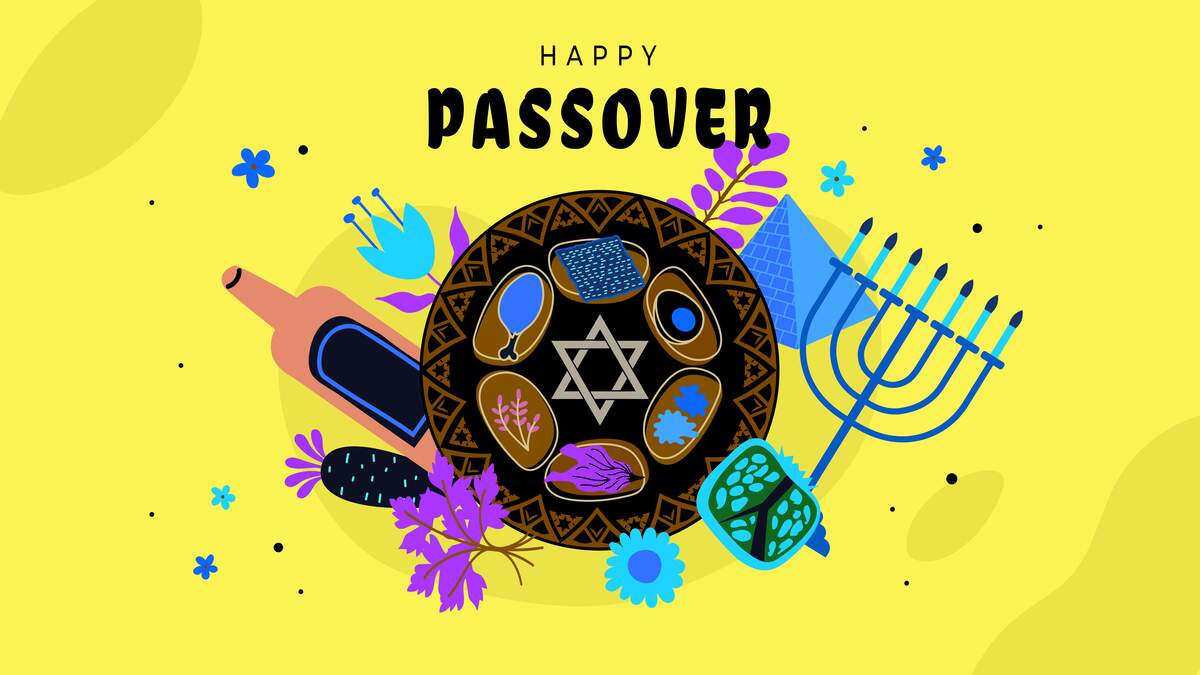
The Seder features six symbolic foods, including matzah, a cracker- like unleavened bread symbolizing the Exodus from ancient Egypt when there was not enough time to let the bread rise.
While Passover rituals vary in different parts of the world, Jews are traditionally not permitted to eat or possess any foods made with wheat, barley, rye, spelt or oats.
Bitter herbs, often horseradish, represent the bitterness of slavery; parsley dipped in saltwater symbolizes the tears the Israelites shed in bondage; and an apple, nut, spice and wine mixture called charoset represents what the Torah, the Jewish holy scripture, describes as the mortar used by Jewish slaves to build Egyptian edifices.
The holiday is observed for seven days in Israel, with one Seder, and eight days outside Israel, with two. The difference is that people in ancient times who lived far from Jerusalem could not know when a new month under the Hebrew lunar calendar had been officially declared and, in turn, could not be sure of the exact date.
Recent Comments