
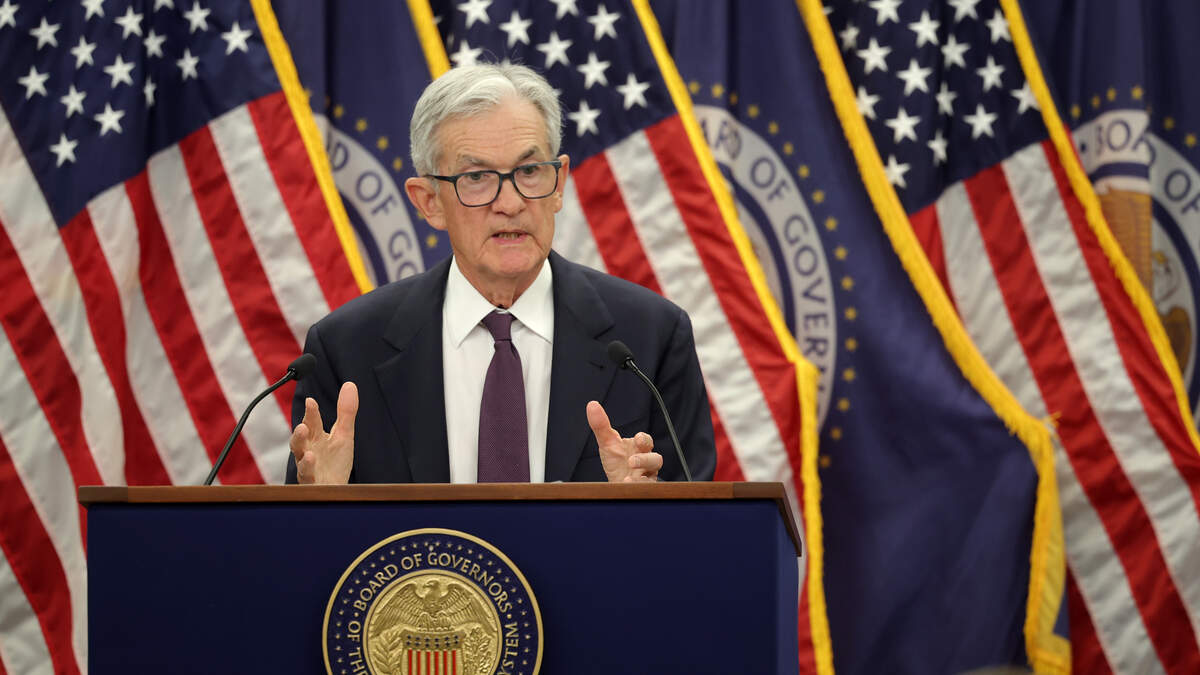

A federal judge blocked Justice Department subpoenas targeting Federal Reserve Chair Jerome Powell, finding that the government used the legal process to pressure the nation’s top central banker into lowering interest rates or stepping down.
U.S. District Judge James Boasberg unsealed his opinion on Friday (March 13), writing that a “mountain of evidence suggests that the Government served these subpoenas on the Board to pressure its Chair into voting for lower interest rates or resigning.”
The Justice Department subpoenas were issued as part of a criminal probe led by Jeanine Pirro, the U.S. Attorney for Washington, D.C. and a longtime ally of President Donald Trump. The investigation centered on whether Powell gave false testimony to Congress last summer about a renovation project at the Fed’s Washington headquarters.
The subpoenas related to Powell’s Senate Banking Committee testimony in June 2025, in which he addressed cost overruns tied to a renovation project at the Fed’s headquarters. Office of Management and Budget Director Russell Vought had accused Powell of overseeing an “ostentatious” renovation that may be “violating the law.”
Powell pushed back hard. In a January video statement he argued the criminal probe was a pretext designed to undermine the Fed’s ability to set interest rates independently of the White House. “The threat of criminal charges is a consequence of the Federal Reserve setting interest rates based on our best assessment of what will serve the public, rather than following the preferences of the president,” Powell said.
Powell countered that characterizations of the project as lavish were “misleading and inaccurate,” telling senators there was no new marble beyond what was needed to replace broken pieces, and no “special elevators,” water features, or rooftop gardens. Several Republican senators, including Banking Committee Chair Tim Scott, said they did not believe Powell committed a crime.
Behind the scenes, the Federal Reserve mounted a closed-door legal challenge to block the subpoenas. Grand jury disputes are typically handled by the court’s chief judge and are usually resolved quickly.
Pirro defended her office’s actions, saying investigators had reached out to the Fed multiple times before resorting to subpoenas. “None of this would have happened if they had just responded to our outreach,” she said. “The word ‘indictment’ has come out of Mr. Powell’s mouth, no one else’s.”
Recent Comments