
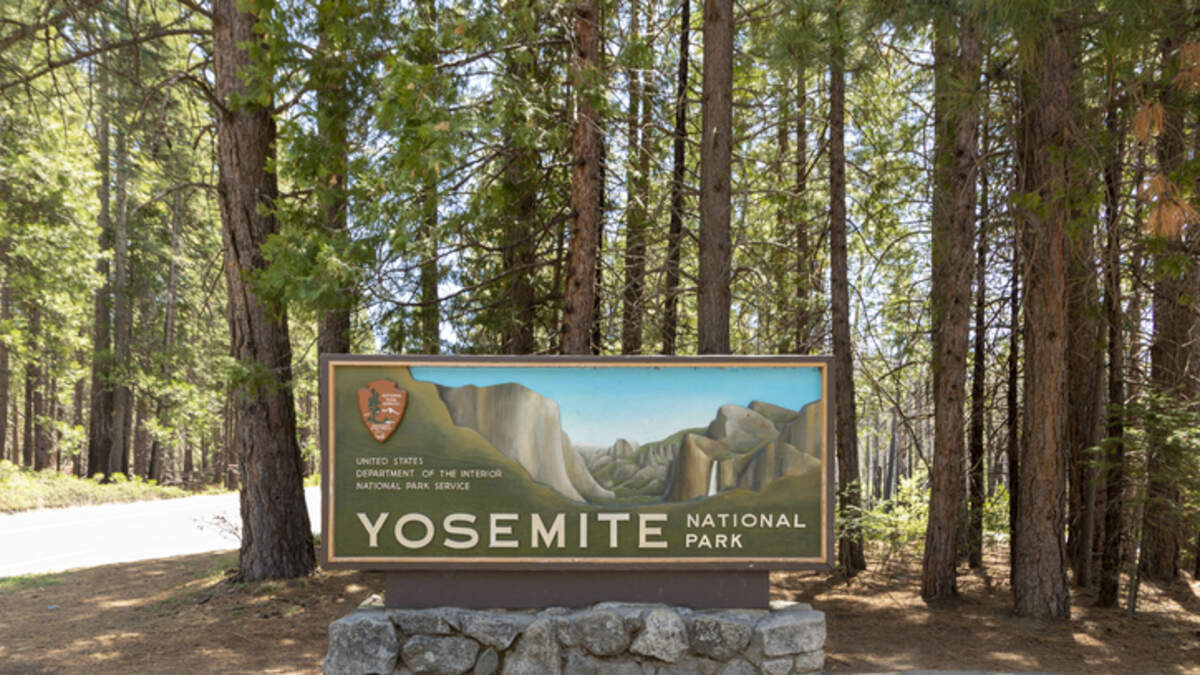

California’s high-speed rail project is considering a significant route change that would bypass downtown Merced in favor of a station that could serve as a gateway to Yosemite National Park.
The proposal would move the planned station from Merced’s city center to a rural location about four miles southeast, currently occupied by pistachio orchards and a defunct warehouse. This shift would save an estimated $1 billion and accelerate construction timelines for the troubled project.
“It could be a Merced-Yosemite station,” Merced Mayor Matthew Serratto told the San Francisco Chronicle. “Call it that. That’s how they should market it.”
The location borders Campus Parkway and State Route 99, with easy access to State Route 140, the main road to Yosemite. Local transportation agencies could add bus connections to shuttle tourists from the train station to the national park.
Some outdoor enthusiasts support the idea, noting that the combination of high-speed rail and shuttle buses could make visiting Yosemite more convenient than driving. “Having something that’s as fast as driving, that doesn’t involve having to think about driving, would be great,” said Evan Tschuy, creator of the Hiking By Transit web directory.
The proposal represents the latest pivot for California’s high-speed rail project, which has faced escalating costs and extended timelines since voters approved it in 2008. Initially projected to cost $33 billion for an 800-mile system from San Francisco to Anaheim, officials now estimate it will take $36.75 billion just to complete the Merced to Bakersfield segment by 2032.
The project faced another setback when the Trump administration revoked $4 billion in federal funding last year, prompting the authority to seek private investment.
Peter Whippy, chief of external affairs at the California High-Speed Rail Authority, presented the southeast station proposal to the Merced City Council on January 12, emphasizing cost savings and construction simplicity. Unlike downtown, a rural station wouldn’t require elevated tracks or demolishing existing businesses.
“The primary advantage here is certainty,” Whippy said during the council meeting. A southeast station “provides a clear, fundable path to bringing high-speed rail to Merced.”
The proposal comes after the authority faced backlash from Merced officials last August when it released a report suggesting the possibility of bypassing Merced altogether. Frank Quintero, Merced’s deputy city manager, expressed frustration at a High-Speed Rail Authority board meeting, saying city officials “felt blindsided” by that report.
Urban planning experts have mixed opinions about the station relocation. Tom Radulovich, executive director of the nonprofit Livable City, argues that downtown stations typically maximize ridership and economic benefits while discouraging sprawl. “These high-speed rail stations were not supposed to be ‘park-and-rides,'” he said.
Others, like California YIMBY spokesperson Matthew Lewis, contend that a station on the outskirts is better than no station at all, especially for a service designed to replace long-distance car trips rather than serve as daily commuter rail.
For the plan to move forward, the state legislature would need to amend a 2022 law limiting infrastructure spending outside the approved 171-mile Merced-to-Bakersfield segment. The authority would also need to create a new land use plan for the largely undeveloped area.
Merced County Supervisor Josh Pedrozo, who grew up in the southeast area being considered, acknowledged potential resistance from residents concerned about development. “You’re going out to the country, and there are risks,” he said, but added, “For the region, it would be incredibly beneficial.”
Recent Comments