

President Donald Trump announced Monday (February 2) that the United States will sharply reduce tariffs on Indian goods after Indian Prime Minister Narendra Modi agreed to curb the country’s purchases of Russian oil and boost imports from the US and Venezuela. The decision marks a major shift in trade relations between the two countries and puts pressure on India to change its energy strategy.
President Trump said tariffs on Indian products would immediately drop to 18 percent, down from 50 percent. That previous rate included an extra 25 percent tariff imposed last August to encourage India to reduce its Russian oil imports. The White House confirmed that both the punitive and reciprocal tariffs would be rolled back as part of the new agreement.
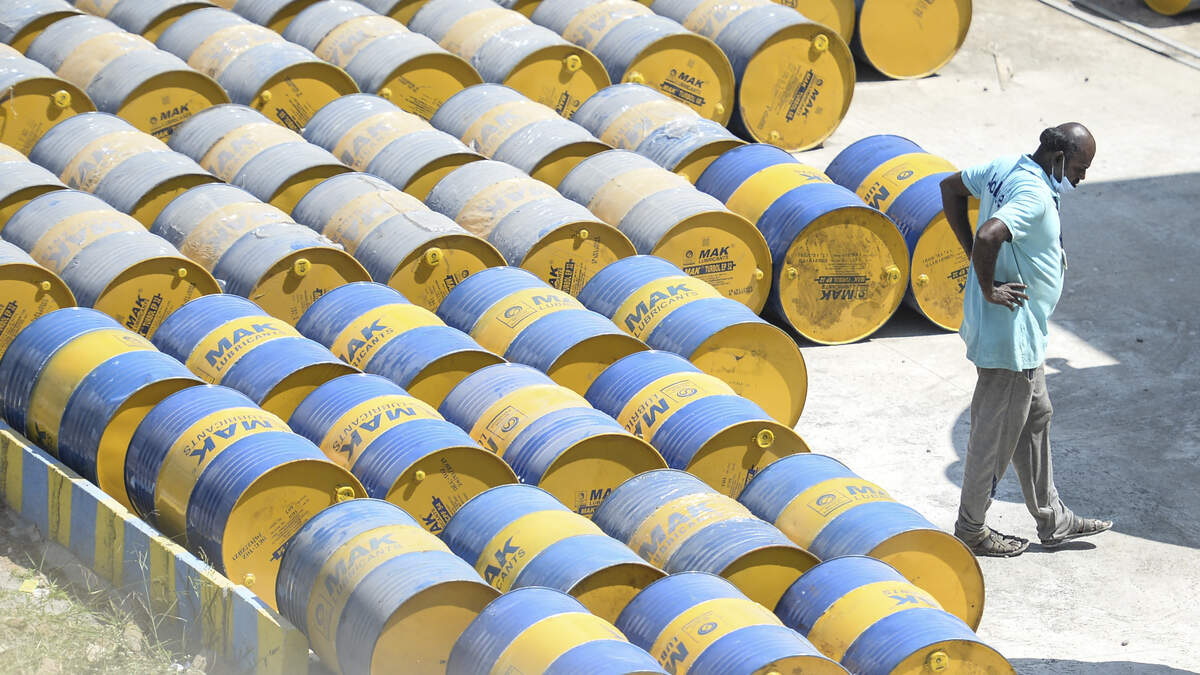
India has been one of the largest buyers of Russian oil, importing about 1.5 million barrels per day—over a third of its total oil imports. President Trump stated on social media that he expects India to replace these Russian imports with oil from the United States and Venezuela, whose crude oil is similar in quality to Russia’s and suitable for India’s refineries.
Despite these promises, experts warn that fully replacing Russian oil with supplies from other countries will take time and significant investment. Venezuela’s oil industry infrastructure has declined and would require years and heavy funding to meet the needed export levels, as noted by energy analysts cited in CNN. India currently buys more oil from Russia than Venezuela produces.
In a post on X, formerly Twitter, Prime Minister Modi hailed the tariff reduction as “wonderful news” but did not directly address the specifics of India’s oil purchases. Modi thanked President Trump “on behalf of the 1.4 billion people of India” for the deal, which he said would benefit “Made in India” products. President Trump, in turn, called Modi “one of my greatest friends” and said the deal would strengthen US-India ties.
The agreement also includes a pledge from India to invest over $500 billion in American energy, technology, agricultural goods, and more, according to the Guardian. Additionally, President Trump claimed that India would reduce tariffs and non-tariff barriers on US exports, though details on those commitments remain unclear.
The deal comes shortly after India signed a major free trade agreement with the European Union, prompting concerns in Washington about losing access to the growing Indian market.
While India has started to decrease its Russian oil imports—dropping from 1.2 million barrels per day in January to an expected 800,000 barrels per day in March—analysts are unsure how quickly or completely the country will shift away from Russian sources. Oil market prices and potential enforcement challenges may also affect how the agreement plays out.
Experts note that the tariff relief could help both economies. The United States imported $95.5 billion in goods from India in 2025, while exporting $42 billion there, according to the US Census Bureau. Indian markets have struggled under the weight of tariffs in recent months, and both leaders hope the new deal will restore growth and stability.
Recent Comments