
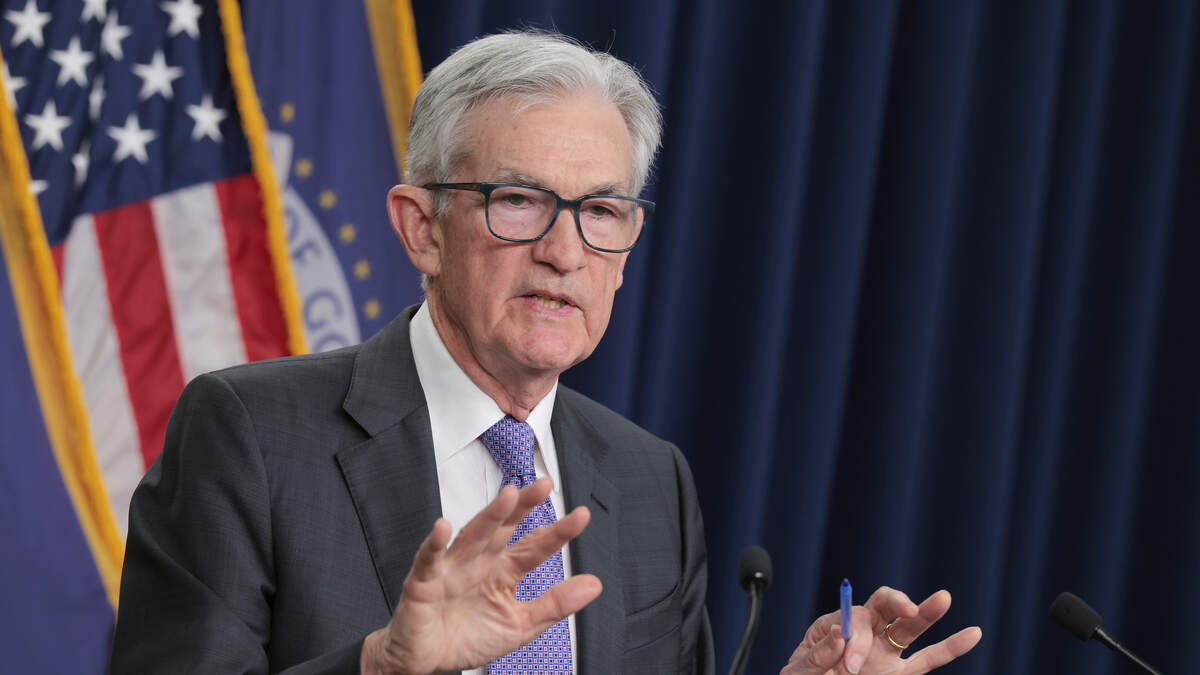

The Federal Reserve decided to keep its key interest rate unchanged on Wednesday (January 28), maintaining the policy rate at a range of 3.5% to 3.75%, as widely anticipated by economists and financial markets. This move marks a pause in the central bank’s recent cycle of rate reductions, following three cuts last year as the Fed responded to the economic effects of President Donald Trump’s fiscal and trade policies.
Despite the majority vote to hold rates steady, two Federal Open Market Committee members—Governor Stephen Miran and Governor Christopher Waller—dissented, advocating for a quarter-point rate cut. Miran has consistently pushed for more aggressive easing, while Waller’s dissent could increase his chances of being nominated as the next Fed chair, a decision President Trump is expected to make soon.
The Fed’s decision comes amid improving economic signals, including a stronger-than-expected labor market and a dip in the unemployment rate to 4.4% in December. The central bank also removed language from its statement that previously flagged increased risks to employment, signaling greater confidence in current economic conditions.
Looking ahead, most analysts and event contracts now see about a 90% chance that the Fed will keep rates steady again at its March meeting. According to a CNBC survey, expectations are for two more quarter-point cuts later this year, with the funds rate likely settling around 3% through 2027. The outlook reflects steady economic growth forecasts, with gross domestic product expected to rise by 2.4% this year.
While President Trump has repeatedly argued for deeper rate cuts—suggesting the U.S. should have some of the world’s lowest rates—market forecasters and economists do not expect the central bank to move rates as low as the president wants. Still, upcoming changes in Fed leadership could influence future policy decisions.
Uncertainty around the administration’s economic and trade policies remains a concern for many investors and analysts. Inflation remains slightly above target but is projected to move closer to the Fed’s goal by 2027. The next major decision on rates is expected at the central bank’s meeting in March.
Recent Comments