
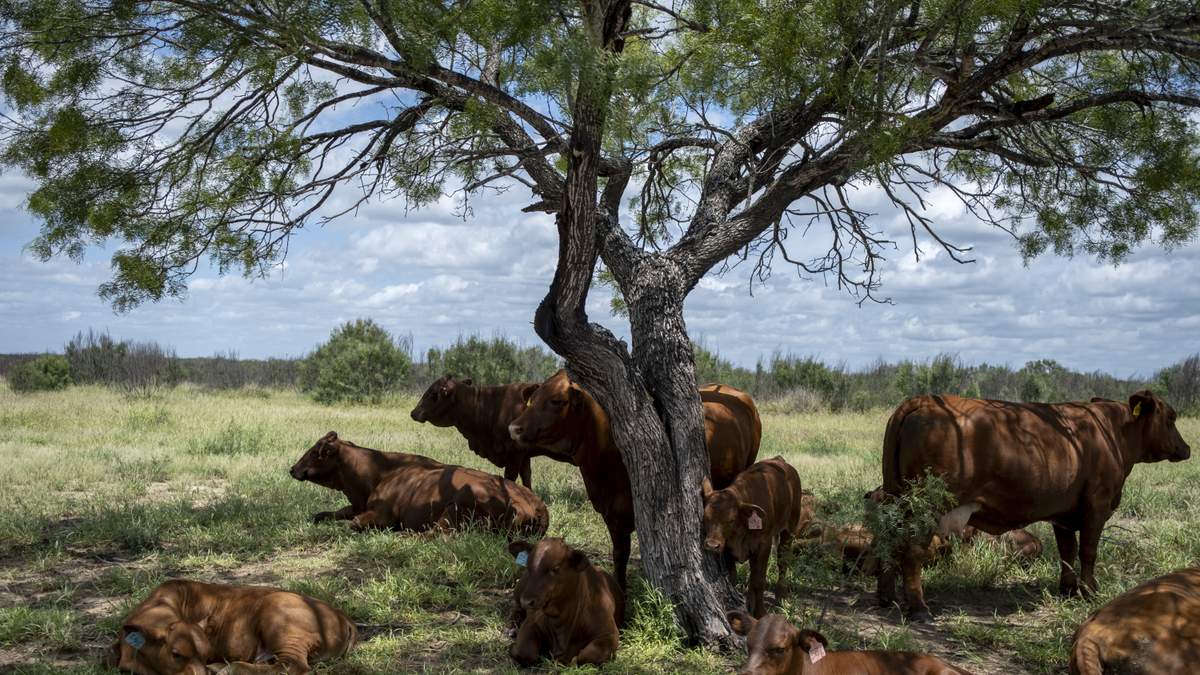

The U.S. Department of Agriculture (USDA) has confirmed 26 cases of New World screwworm in Texas, with infestations primarily located in the southwestern part of the state. This parasitic fly poses a significant threat to Texas’ cattle industry, which generates $41 billion annually. State and federal authorities are implementing quarantines and other measures to control the spread.
The first case was detected in a three-week-old calf in Zavala County on June 3, 2026. Since then, additional cases have been confirmed in Zavala, La Salle, and Gillespie counties, as well as in Lea County, New Mexico. The screwworm is a parasitic pest that infests living tissue of warm-blooded animals, including livestock and wildlife. While the pest does not threaten the U.S. food supply, it presents a serious animal health issue.
According to Drovers, the pest spreads primarily through the movement of infested animals rather than fly travel. To combat this, the Texas Animal Health Commission (TAHC) has issued a quarantine in the infested zones. The USDA and TAHC are urging producers to report any suspicious wounds or infestations immediately.
Efforts to contain the screwworm include the use of the Sterile Insect Technique (SIT), which involves releasing sterile flies to reduce the pest population. The USDA has already released over 129 million sterile flies in Texas since February 2026. However, Texas Agriculture Commissioner Sid Miller has criticized the USDA’s response as slow and incomplete, calling for more aggressive measures.
Despite the challenges, experts like Derrell Peel from Oklahoma State University believe the screwworm outbreak will not significantly impact cattle markets. The focus remains on early detection and rapid response to prevent further spread.
For more information on how to report cases or learn about the response efforts, visit the American Farm Bureau Federation.
Recent Comments